

Author name: puretatva_2025

Oil pulling benefits for skin
Oil Pulling

Oil Pulling Benefits for Skin: The Ayurvedic Secret Behind Natural Glow

Oil pulling benefits for skin ! Is it real and how science supports it, let’s find out. Oil pulling is suddenly everywhere. Celebrities talk about it. Wellness influencers promote it. But calling it just another “trend” would be a mistake. Oil pulling is not new. It is an ancient Ayurvedic practice known as Gandusha and Kavala, described in classical texts thousands of years ago. What modern skincare struggles to achieve from the outside, Ayurveda aimed to heal from the inside out. And that is exactly why oil pulling benefits for skin go far beyond surface-level glow. What Is Oil Pulling? (Gandusha & Kavala Explained) Oil pulling involves holding and gently swishing about 5 ml of oil in the mouth for a few minutes, usually on an empty stomach in the morning. In Ayurveda: Both techniques work together to detoxify, nourish tissues, and stimulate circulation. This daily ritual is not just for oral health—it plays a surprisingly powerful role in skin health and ageing prevention. How Oil Pulling Benefits Skin Naturally 1. Facial Muscles Get Natural Exercise When you swish oil in your mouth: Toned muscles = firmer skin And firmer skin means reduced chances of sagging and wrinkles. This is one of the most overlooked oil pulling benefits for skin. 2. Improved Blood Circulation to Facial Skin Oil pulling stimulates blood flow in: Better circulation means: This directly reflects as: 3. Inside-Out Skin Nourishment Unlike topical creams that work only on the surface, oil pulling nourishes skin from within. When pure, natural oils are used: Less inflammation inside the body often translates into: Oil Pulling Benefits for Skin Ageing & Wrinkles 4. Natural Wrinkle Protection Ageing skin is not just about age—it’s about: Oil pulling addresses all three. By regularly practising oil pulling: This makes oil pulling benefits for skin ageing long-term and sustainable, unlike temporary cosmetic fixes. 5. Skin Glow Without Chemicals Ayurveda never believed in harsh external treatments for glow. It focused on balance. Oil pulling helps: The result? Why Oil Quality Matters for Skin Results Oil pulling works only when the oil is pure. Chemically processed or refined oils: A well-crafted blend of natural oils, like Pure Tatva Freshox, supports: This is why choosing the right oil is critical to experiencing real oil pulling benefits for skin. How to Do Oil Pulling for Skin Benefits Simple Daily Routine: Consistency matters more than duration. Oil Pulling Benefits for Skin: A Holistic Ayurvedic View Oil pulling is not a beauty hack. It is a daily wellness ritual that: This kind of inside-out healing is something only Indian Ayurveda has understood deeply. FAQs: Oil Pulling Benefits for Skin  Is oil pulling really good for skin? Yes. Oil pulling improves facial muscle tone, circulation, and internal balance, which directly supports healthy, glowing skin. How long does oil pulling take to show skin results? Visible improvements in glow and hydration may appear in 2–3 weeks with daily practice. Wrinkle prevention benefits are long-term. Can oil pulling reduce wrinkles naturally? Oil pulling supports muscle tone and circulation, which helps slow wrinkle formation and skin sagging over time. Which oil is best for oil pulling for skin? Pure, natural, unrefined oils or well-balanced herbal blends work best. Oil purity is critical for real skin benefits. Is oil pulling better than skincare products? Oil pulling does not replace skincare but complements it by healing skin internally, something topical products cannot do alone. Pure Tatva will continue to talk logic. And if real wellness matters to you— Save. Share. Follow. Choose awareness over hype.

Oil pulling for sensitive teeth
Oil Pulling

Oil Pulling for Sensitive Teeth: A Natural Ayurvedic Solution You Can Trust

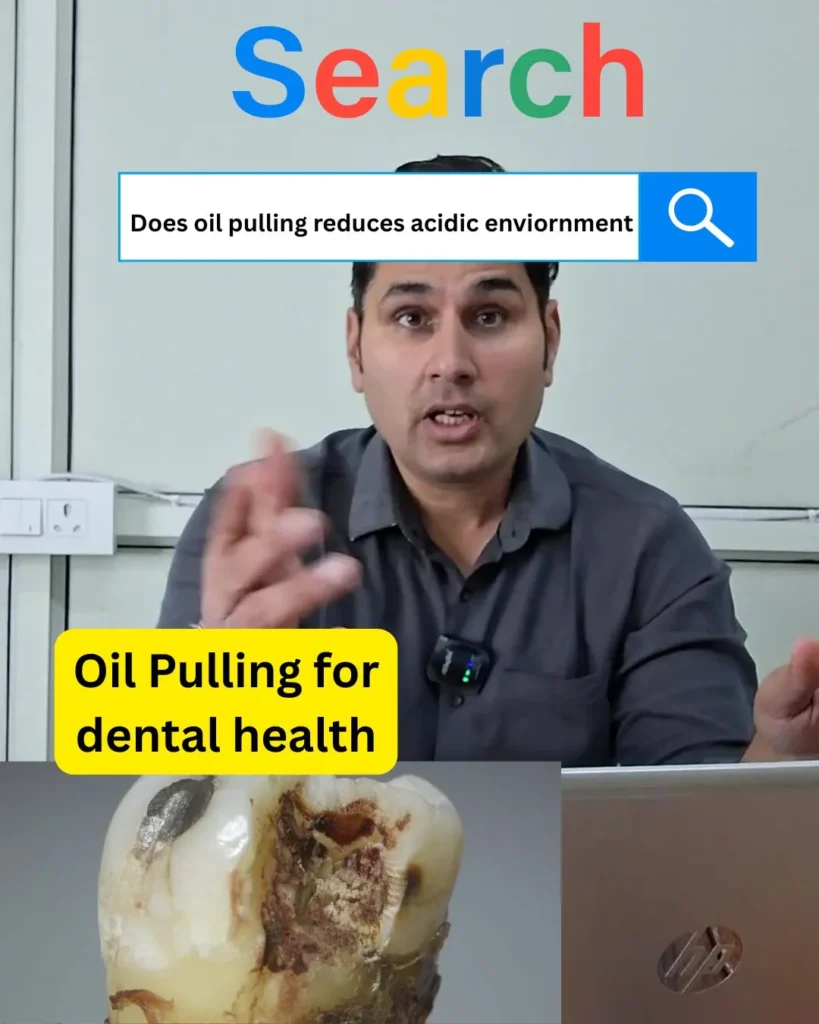
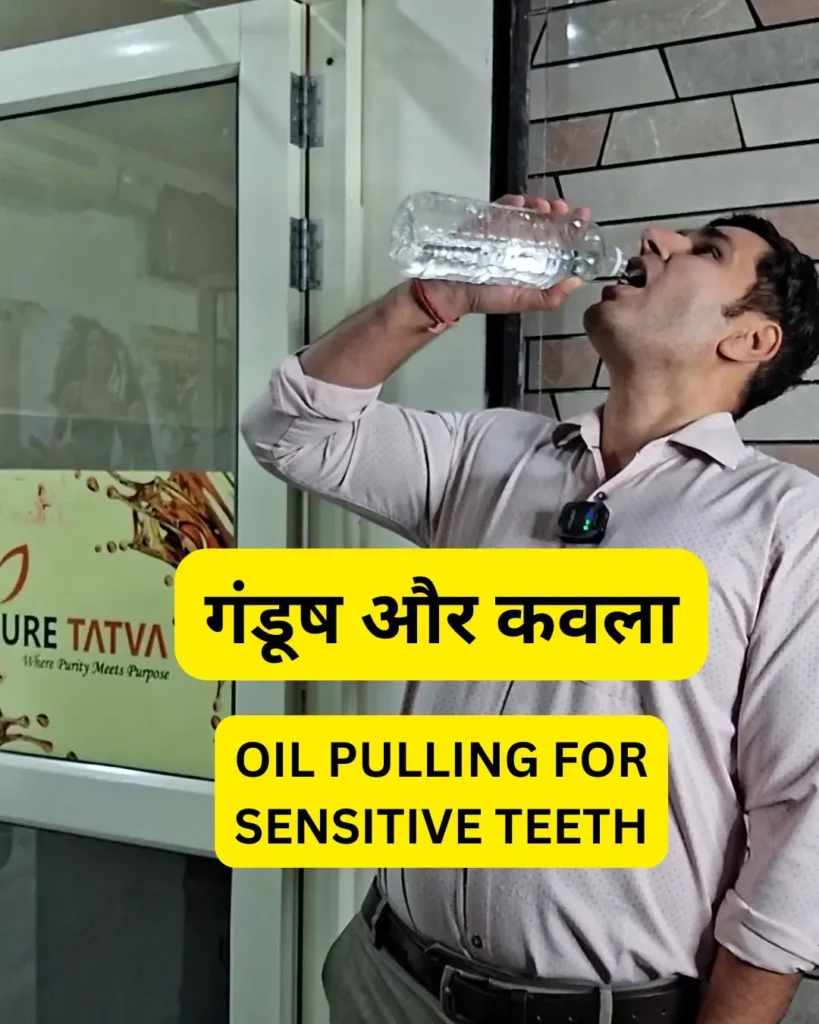
Oil Pulling for Sensitive Teeth ! Let’s clear the fog with solution. Sensitive teeth are not just a dental issue. They silently disturb your daily lifestyle—every sip of cold water, every bite of sweet food, and every sudden pain reminds you that something is wrong. Most people immediately turn to desensitizing toothpastes. They use them for years. The pain reduces temporarily, but the root cause remains untouched. Ayurveda looked at this problem more than 1000 years ago—and offered a simple, natural solution that modern science is finally rediscovering. That solution is oil pulling for sensitive teeth. What Causes Sensitive Teeth? To understand how oil pulling helps, we first need to understand the root cause. Sensitive teeth usually occur when: When tooth nerves get exposed, even normal temperature changes trigger pain. This is why sensitive teeth are not just a surface problem—they are a systemic oral health issue. Why Desensitizing Toothpastes Often Fail Desensitizing toothpastes work by temporarily blocking nerve signals. They do not repair irritation or inflammation. Long-term use may: This is where Ayurveda takes a different and deeper approach. Oil Pulling for Sensitive Teeth in Ayurveda Ayurveda describes oil pulling as Gandusha and Kavala. Gandusha Holding oil in the mouth without swishing. Kavala Gently swishing oil inside the mouth. These practices were designed to: Today, this same practice is globally known as oil pulling for sensitive teeth. Even Indian celebrities and wellness experts in the West openly recommend it. How Oil Pulling Works for Sensitive Teeth When done correctly, oil pulling: Unlike toothpaste, oil pulling works on the root cause, not just symptoms. How to Do Oil Pulling for Sensitive Teeth (Correct Method) Follow this simple daily routine: Step-by-Step Oil Pulling Method Consistency matters more than duration. Why Oil Purity Matters in Oil Pulling This is the most ignored but most important factor. Oil pulling works only if the oil is pure. Chemically refined, adulterated, or low-grade oils: That is why Ayurvedic oil pulling always emphasized pure, natural oils. Freshox by Pure Tatva: Designed for Oil Pulling Pure Tatva’s Freshox is a blend of 5 carefully selected herbal oils, crafted specifically for oil pulling. Why Freshox Works for Sensitive Teeth Just like Pure Tatva’s cold-pressed oils are heart- and liver-friendly, Freshox follows the same philosophy of clean, logical health solutions. Oil Pulling vs Toothpaste: What’s the Real Difference? Toothpaste Oil Pulling Symptom masking Root cause healing Chemical action Natural absorption Short-term relief Long-term calm Focus on teeth Focus on gums & nerves For sensitive teeth, gum health decides nerve health—and oil pulling addresses exactly that. Who Should Try Oil Pulling for Sensitive Teeth? Oil pulling is safe for: From young adults to seniors, oil pulling is gentle and effective for all age groups. FAQs: Oil Pulling for Sensitive Teeth Is oil pulling really effective for sensitive teeth? Yes. Oil pulling reduces gum inflammation and calms exposed nerves, which directly helps with sensitivity. How long does it take to see results? Many people feel improvement within 7–14 days if done daily with pure oil. Can oil pulling replace toothpaste? No. It complements brushing. Oil pulling works deeper, brushing cleans the surface. Which oil is best for oil pulling for sensitive teeth? A pure, herbal oil blend designed for oral absorption works best. Avoid refined oils. Is oil pulling scientifically supported? Modern studies support its role in reducing oral bacteria, gum inflammation, and sensitivity when practiced correctly. Final Thought Sensitive teeth are not random. They are signals your body is sending. Instead of suppressing pain, it is time to listen to the root cause and choose natural solutions that work with your body—not against it. Pure Tatva believes in logical health awareness, not shortcuts. If you want real care, real nutrition, and real solutions— then oil pulling for sensitive teeth deserves a place in your daily routine. Save | Share | Follow – Pure Tatva

Protein and kidney disease
Diet Supplements

Protein and Kidney Disease: The Truth No One Talks About

Protein and Kidney Disease ! First thing first – “My protein scoop has 25% protein.” “Mine has 40% protein!” Sounds impressive, right? But stop for a second. Doesn’t even a small doubt cross your mind? Most people don’t question it because the supplier shows a lab certificate. And that’s where the real problem with protein and kidney disease begins. Why Protein Supplements Deserve More Questions People assume that: But lab numbers don’t always tell the full story. Now type this on Google: “Adulterants in protein supplements” And here comes the truth bomb. How Protein Adulteration Happens To increase protein percentage cheaply, many manufacturers add: Why Lab Tests Still Pass Most protein tests calculate nitrogen content, not true protein quality. So yes: But your body pays the price. Protein and Kidney Disease: The Hidden Connection When adulterated protein enters the body: Over time, this constant strain contributes to: And then we ask: 👉 “Why are kidney problems increasing these days?”  Why Excess Load Harms Kidneys First Kidneys are natural filters. When protein quality is poor: This is why protein and kidney disease are often connected—not because protein is bad, but because adulterated protein is dangerous. Why Natural Protein Matters for Every Age Group Protein should support growth, not damage organs. That’s why Pure Tatva focuses on: A truly safe protein should be suitable for: Just like Pure Tatva’s 100% natural, scientifically crafted cold-pressed oils, designed to support heart and liver health without metabolic stress. Protein and Kidney Disease: What Really Needs to Change The solution is not: ❌ Zero protein ❌ Fear of supplements The solution is: ✔ Clean sourcing ✔ True protein integrity ✔ Minimal processing ✔ Transparency beyond lab numbers Real nutrition should nourish, not overload. FAQ: Protein and Kidney Disease FAQ 1: Can protein supplements cause kidney disease? Poor-quality or adulterated protein supplements can increase kidney load and contribute to long-term kidney stress. FAQ 2: Why are kidney problems rising among young people? One major reason is excessive intake of adulterated supplements that strain kidneys and liver. FAQ 3: Are lab-tested protein supplements always safe? No. Lab tests often measure nitrogen, not true protein quality or digestibility. FAQ 4: Is natural protein safer for kidneys? Yes. Natural protein sources are easier to process and reduce unnecessary filtration stress on kidneys. FAQ 5: Should people with kidney concerns avoid protein? They should avoid adulterated protein, not protein itself. Quality matters more than quantity. Final Takeaway Protein is not the enemy. Adulteration is. The rise of protein and kidney disease is a reminder that: Pure Tatva will continue to speak logic. If you believe in real food and real nutrition, you’ll walk this path with us. Save | Share | Follow – Pure Tatva

Best cooking oil for healthy heart
Healthy Cooking Oil

Best Cooking Oil for Healthy Heart: First Fix the Liver, Not the Label

Best cooking oil for healthy heart ! What’s this new trend is ? Let us understand this in detail. A friend called me and said, “Yaar, I need to improve my heart health.” I replied with something unexpected: “Focus on your liver before focusing on your heart.” Most people chasing a healthy heart spend their energy trying to reduce cholesterol numbers. What they often miss is a simple fact: 👉 A major portion of your cholesterol is produced by your own liver. So before choosing the best cooking oil for healthy heart, let’s understand how the body actually works. Why Liver Health Decides Heart Health The liver doesn’t randomly create cholesterol. When the body senses: it sends a signal to the liver: “Repair Mode ON” In this mode: This is not a design flaw. It’s the body trying to protect itself. How Inflammation Triggers the Cholesterol Cycle Here’s the real problem: The signal never switches off. If inflammation stays high: So the real question is not just how to reduce cholesterol, but how to calm inflammation. Does Cooking Oil Cause Inflammation? Now type this on Google: “Does oil induce inflammation?” You’ll notice a clear pattern. Oils That Increase Inflammation If your daily cooking oil is: then yes — it pushes inflammation every single day. No matter what the label claims, such oils keep the liver in repair mode and indirectly harm heart health. Best Cooking Oil for Healthy Heart: The Real Criteria So if someone asks: “What is the best cooking oil for healthy heart?” The answer is not a brand name or a marketing claim. The right answer is an oil that: ✔ Is pure and natural ✔ Is stable during cooking ✔ Has a balanced Omega-3 to Omega-6 ratio ✔ Does not increase daily inflammation ✔ Supports liver health first — heart health follows A healthy heart is always a by-product of a calm liver. Why Omega Balance Matters for a Healthy Heart Omega-6 is not the enemy. Imbalance is. When Omega-6 dominates: When Omega-3 and Omega-6 are balanced: That balance defines the best cooking oil for healthy heart. FAQ: Best Cooking Oil for Healthy Heart FAQ 1: What is the best cooking oil for healthy heart? The best cooking oil for healthy heart is one that reduces inflammation, supports liver health, and maintains a balanced fat profile. FAQ 2: Why is liver health important for heart health? The liver produces most of the body’s cholesterol. Inflammation signals the liver to increase cholesterol, impacting heart health. FAQ 3: Do refined oils harm heart health? Yes. Chemically refined and Omega-6 heavy oils increase inflammation, which negatively affects both liver and heart. FAQ 4: Does cholesterol alone cause heart disease? No. Chronic inflammation and metabolic imbalance trigger cholesterol production and arterial damage. FAQ 5: Should oil be avoided for a healthy heart? No. The body needs healthy fats. Choosing the right oil matters more than eliminating oil. Final Takeaway Heart health doesn’t start in the heart. It starts in the liver and inflammation control. So the next time someone asks: “Which is the best cooking oil for healthy heart?” Tell them this: 👉 Choose the oil that calms the body, not the one that just looks good on the label. Pure Tatva will keep sharing logic. You keep spreading real food awareness.

Best Cooking oil for heart illustration
Healthy Cooking Oil

Best Cooking Oil for Heart: Why Labels Don’t Protect Your Heart

Heart healthy cooking oil – Let’s clear all debris around this understanding. “Yaar, this oil says heart healthy.” “It’s cholesterol-free too, I’ll buy this.” STOP. That’s not how the heart works. Before deciding the best cooking oil for heart, it’s important to understand how heart damage actually begins inside the body—because it has very little to do with marketing labels. How Heart Problems Really Start Inside the Body Heart disease does not happen overnight. It starts silently with daily irritation and inflammation caused by poor food choices. When the body experiences constant irritation due to: the body enters an inflammation mode. How Inflammation Triggers Bad Cholesterol (LDL) When inflammation increases, the liver receives a danger signal. What does the liver do? This is where heart problems truly begin—not because oil was consumed, but because the wrong oil caused inflammation. What Happens When Your Diet Is Clean? Now look at the opposite scenario. When your daily diet is: the body stays calm. No irritation. No inflammation. In this case, the liver receives a different signal. The Role of Good Cholesterol (HDL) in Heart Protection With low inflammation: This process is called Reverse Cholesterol Transport, and it is one of the most important natural heart-protective mechanisms in the body. Why “Heart Healthy” and “Cholesterol Free” Oils Often Fail Many oils proudly display: But if that oil is: it will still: So yes, even an oil with a heart-healthy label can damage your heart if its fat quality is poor. Best Cooking Oil for Heart: The Real Definition The best cooking oil for heart is not the one with the best label. It is the oil that: Heart health improves not by avoiding oil, but by choosing the right oil consistently. FAQ: Best Cooking Oil for Heart FAQ 1: What is the best cooking oil for heart health? The best cooking oil for heart health is one that reduces inflammation and supports good HDL cholesterol production. FAQ 2: Are heart-healthy oil labels reliable? No. Labels can be misleading. Heart health depends on fat quality, processing, and omega balance. FAQ 3: How does inflammation affect the heart? Inflammation signals the liver to produce LDL cholesterol, which sticks to arteries and increases heart disease risk. FAQ 4: What role does HDL cholesterol play in heart health? HDL removes bad LDL cholesterol from arteries and helps eliminate it from the body. FAQ 5: Should oil be avoided for heart health? No. Completely avoiding oil can harm metabolic and hormonal balance. Choosing the right oil matters more. Final Takeaway Heart health is not protected by labels. It is protected by low inflammation, balanced fats, and daily food choices. So the next time someone asks: “What is the best cooking oil for heart?” The answer is simple: 👉 The oil that works inside your body, not just on the packaging.Pure Tatva will continue sharing logic. You keep supporting real food awareness.

which cooking oil is best for heart
Healthy Cooking Oil, Uncategorized

Which Cooking Oil Is Best for Heart? Understanding Heart Health Step by Step

Understanding which cooking oil is best for heart is secondary. First Understand about heart health. Do you feel breathless while climbing stairs? Do you feel your heart tires easily? Many people immediately blame cooking oil and decide to stop using oil altogether. But the truth is far more complex — and far more logical. Heart health does not deteriorate overnight. And it does not recover overnight either. To understand which cooking oil is best for heart, we must first understand how heart problems actually develop. Heart Problems Develop in Stages, Not Suddenly If you search online for “Steps in deteriorating heart health”, you will notice a clear pattern. Heart disease progresses step by step, not in a single event. Step 1: Lifestyle and Dietary Damage Begins The first step usually starts with: These factors silently damage the body for years before symptoms appear. At this stage, the heart is affected indirectly through lifestyle stress. Step 2: Metabolic Imbalance Starts When poor habits continue, the body moves to the next stage: This stage often triggers medical reports and warning signs, but the root cause still lies in Step 1. Step 3: Structural Changes in the Heart and Arteries If lifestyle damage is not corrected, structural changes begin, such as: This is the stage where most people start asking serious questions about heart health. Can Heart Health Be Improved or Reversed? Yes — but only logically. Heart recovery does not start at Step 3. It starts by going back to Step 1. Real heart improvement requires: When Step 1 improves, Step 2 and Step 3 gradually start improving as well. This is where choosing the right cooking oil becomes critical. Which Cooking Oil Is Best for Heart Health? The best cooking oil for heart health is not about removing oil completely. It is about choosing an oil that supports: The Key Factor: Fatty Acid Balance The answer to which cooking oil is best for heart lies in one concept: A Balanced Omega-3 and Omega-6 Ratio Why Omega-3 and Omega-6 Balance Matters for the Heart Omega-3 and Omega-6 are essential fats. Both are needed — but in the right proportion. When the Balance Is Right: When the Balance Is Disturbed: The right cooking oil sends protective signals to the heart, not damaging ones. Why Completely Stopping Oil Is Not the Solution Many people stop oil consumption after heart warnings. This often leads to: Heart health depends on fat quality, not fat elimination. That is why understanding which cooking oil is best for heart health is more important than avoiding oil altogether. How to Choose the Best Cooking Oil for Heart A heart-friendly cooking oil should: Used in moderation, such oils become part of heart recovery, not the cause of heart damage. Frequently Asked Questions (FAQ) 1. Which cooking oil is best for heart health? The best cooking oil for heart health is one that maintains a balanced Omega-3 and Omega-6 ratio and supports reduced inflammation and healthy blood vessels. 2. Does cooking oil cause heart disease? No. Heart disease develops due to long-term lifestyle and dietary imbalance. Poor-quality oils can worsen the problem, but the right oil supports heart health. 3. Should heart patients stop using oil completely? No. Completely avoiding oil can harm metabolism and hormone balance. The focus should be on choosing the right oil in controlled amounts. 4. How does fatty acid balance protect the heart? Balanced fats reduce inflammation, improve cholesterol handling, and support healthy arterial function. 5. Can heart health improve with lifestyle correction? Yes. Improving eating habits, lifestyle, and fat quality can gradually improve heart structure and function. Final Takeaway Heart problems do not start in the heart alone. They start with daily habits. When someone asks which cooking oil is best for heart, the answer is clear: Choose an oil that respects the natural balance of Omega-3 and Omega-6 — because heart health improves when balance is restored.

Which oil is best for weight loss
Healthy Cooking Oil

Which Oil Is Best for Weight Loss? The Insulin Sensitivity Truth

Let’s Clear all air around which oil is best for weight loss ? Let’s us look at it with a fresh perspective. Most weight loss journeys begin the same way. Reduce fats. Balance protein and carbs. Count calories. And yet, for many people, weight loss slows down or completely stalls. The missing link is rarely calories alone. The real factor deciding fat loss speed is insulin sensitivity — and your daily cooking oil plays a major role in it. If you truly want to understand which oil is best for weight loss, you must first understand how insulin works inside your body. Why Insulin Sensitivity Matters for Weight Loss Think of insulin as a key, and your body cells as locks. When Insulin Sensitivity Is High: This state supports faster and sustainable weight loss. When Insulin Sensitivity Is Low: This is why poor insulin sensitivity leads to weight gain, stubborn fat, and slow metabolism. Better Insulin Sensitivity Means Faster Weight Loss Here is a simple rule to remember: The better your insulin sensitivity, the easier your weight loss becomes. Weight loss is not just about eating less — it is about how efficiently your body uses glucose for energy instead of storing it as fat. This brings us to a critical but ignored question. Does Cooking Oil Improve Insulin Sensitivity? Search this on Google: “Does oil increase insulin sensitivity?” You will find strong scientific evidence showing that the type of fat consumed matters more than the quantity. Certain dietary fats actually improve insulin sensitivity, while others worsen it. So when people ask which oil is best for weight loss, the real answer lies in fat quality. Which Oil Is Best for Weight Loss and Why The best oil for weight loss is one that improves insulin sensitivity, not one that eliminates fat completely. Oils That Support Weight Loss Are Rich In: How These Oils Help: This metabolic improvement directly translates into better weight loss results. Why Poor Oil Choice Slows Down Weight Loss Oils with excessive Omega-6 imbalance or heavy processing can: Even with calorie control and workouts, poor oil selection can block fat loss at the hormonal level. This is why many disciplined people still struggle with weight reduction. Weight Loss Is Not About Removing Fats Completely Removing fats entirely often backfires. Healthy fats: The goal is not zero fat. The goal is smart fat selection. That is the real answer to which oil is best for weight loss. How to Choose the Right Oil for Weight Loss When choosing a weight-loss-friendly oil, ask: If the answer is yes, the oil supports your weight loss journey. Frequently Asked Questions (FAQ) 1. Which oil is best for weight loss? The oil that improves insulin sensitivity is best for weight loss. Oils rich in monounsaturated fats with a balanced Omega-3 and Omega-6 ratio support faster fat loss. 2. Can cooking oil really affect weight loss? Yes. Cooking oil influences insulin sensitivity, inflammation, and fat storage, all of which directly impact weight loss. 3. Does reducing oil intake help weight loss? Reducing quantity helps only when oil quality is correct. Poor-quality oils can block weight loss even in small amounts. 4. What role does insulin sensitivity play in weight loss? Higher insulin sensitivity allows glucose to be used as energy instead of being stored as fat, leading to better weight loss results. 5. Are fats necessary for weight loss? Yes. Healthy fats are essential for hormone balance, metabolic health, and sustained weight loss. Final Takeaway Weight loss is not just about calories, workouts, or cutting fats. It is about how efficiently your body uses energy. If someone asks you which oil is best for weight loss, the answer is simple: Choose the oil that improves insulin sensitivity — because better insulin sensitivity means better weight loss.

Best Cooking oil for cholesterol control
Healthy Cooking Oil

Best Cooking Oil for Cholesterol Control: The Truth Most People Don’t Know

Let’s conclude all your myths aroung best cooking oil for cholesterol control. Cholesterol has been blamed for almost every heart-related problem. But here is a truth most people never hear: Cholesterol is not your enemy. In fact, your body produces cholesterol to protect you, not harm you. If cholesterol levels rise, it is usually a signal, not the root cause. And one of the most overlooked factors influencing cholesterol levels is your daily cooking oil. Choosing the best cooking oil for cholesterol control can make a measurable difference in how your liver manages good and bad cholesterol. Why the Body Produces Cholesterol in the First Place Your liver produces cholesterol for critical functions such as: When the body experiences constant damage due to: The liver responds by producing more cholesterol as a protective mechanism. The problem is not cholesterol production. The problem is unhealthy lifestyle signals reaching the liver every day. Does Cooking Oil Affect Cholesterol Levels? This is where most cholesterol advice becomes incomplete. If you search: “Does oil increase HDL cholesterol?” You will find strong scientific evidence supporting this fact: 👉 The type of cooking oil you use directly affects HDL and LDL cholesterol levels. The liver responds to dietary fat quality, not just fat quantity. How the Best Cooking Oil for Cholesterol Control Works When your cooking oil is rich in: It sends a positive metabolic signal to the liver. What Happens Inside the Body? This process is medically known as: Reverse Cholesterol Transport This is how cholesterol is naturally balanced — not by fear, but by biology. Why HDL Cholesterol Is the Real Protector HDL cholesterol acts like a cleaning system inside your blood vessels. Its role includes: The best cooking oil for cholesterol control supports HDL production instead of suppressing fat intake completely. Why Refined Oils Fail in Cholesterol Management Most refined cooking oils: Even when cholesterol numbers look controlled temporarily, refined oils do not improve long-term lipid health. How to Choose the Best Cooking Oil for Cholesterol Control A cholesterol-friendly cooking oil should: Quantity matters, but quality matters more. Cholesterol Control Is a Liver Function Issue, Not a Fat Issue Most cholesterol problems start when: Supporting the liver with the right cooking oil helps restore cholesterol balance naturally. Frequently Asked Questions (FAQ) 1. What is the best cooking oil for cholesterol control? The best cooking oil for cholesterol control is one that is rich in monounsaturated and polyunsaturated fats and supports HDL production while reducing LDL accumulation. 2. Can cooking oil increase good cholesterol (HDL)? Yes. Oils rich in healthy fats can signal the liver to produce more HDL cholesterol, which helps remove bad cholesterol from the body. 3. Is cholesterol always harmful? No. Cholesterol is essential for the body. Problems arise when LDL increases and HDL remains low due to poor dietary and lifestyle choices. 4. Should people with high cholesterol avoid oil completely? No. Completely avoiding oil can worsen metabolic health. The focus should be on using the right oil in controlled amounts. 5. How does cooking oil help remove bad cholesterol? Healthy oils support the process of reverse cholesterol transport, where HDL carries LDL back to the liver for elimination. Final Takeaway Cholesterol is not the villain it is made out to be. The real question is whether your daily habits are helping or hurting your liver. Choosing the best cooking oil for cholesterol control is not about fear — it is about supporting the body’s natural cholesterol-cleaning system. When the liver is supported, cholesterol stays balanced.

Best cooking oil for fat loss
Uncategorized

Best Cooking Oil for Fat Loss: Why Your Oil Choice Is Blocking Weight Loss

Still Confused on best cooking oil for fat loss ? Just go through this article to break the myth. You’re working out regularly. You’re following a clean diet. Calories are under control. Then why is fat loss still stuck? Most people look at carbs, protein, calories, and workouts — but completely ignore one silent factor that can decide whether your body burns fat or stores it. That factor is your daily cooking oil. If you’re serious about fat loss, the question is not “how much oil” — the real question is: 👉 Is your cooking oil helping fat burning… or silently blocking it? Why Cooking Oil Matters for Fat Loss More Than You Think Fat loss is not just about calorie deficit. It is about how your hormones, insulin, and inflammation respond to your food. Most commonly used refined oils today are extremely high in Omega-6 fatty acids. When Omega-6 intake becomes excessive and unbalanced, the body enters a state called low-grade chronic inflammation. This is where fat loss starts getting sabotaged. High Omega-6 Oils and Fat Loss: The Hidden Connection Just type this on Google: “high omega-6 and weight loss” And the truth hits hard. When Omega-6 Is Too High, What Happens? High Omega-6 oils push the body into inflammation mode. That inflammation directly impacts fat loss by: This is why many people say: “I an doing everything right but still nothing happening on fat part.” The problem is not effort. The problem is oil imbalance. Best Cooking Oil for Fat Loss: It’s About Balance, Not Elimination Let’s clear a big myth. ❌ Omega-6 is not the enemy ❌ Oil is not the enemy The real issue is imbalance. The Ideal Fat Loss Oil Should Have: That’s why the best cooking oil for fat loss is not “zero oil” — it is the oil that supports metabolic balance. Omega-3 vs Omega-6 Ratio: The Fat Loss Switch Omega-3 fatty acids are known to: When Omega-3 intake is too low and Omega-6 is too high, fat loss becomes slow and stubborn. Balanced oils help switch the body from fat-storage mode to fat-burning mode. Why Refined Oils Fail in Fat Loss Diets Most refined oils: Even if calories are controlled, refined oils can block metabolic efficiency, making fat loss difficult. That’s why fat loss plans fail despite discipline. How to Choose the Best Cooking Oil for Fat Loss When selecting an oil for fat loss, ask these questions: If the answer is yes — you’re on the right path. Fat Loss Is Not About Less Oil, It’s About Smarter Oil People often reduce oil quantity drastically. But if the quality and fatty acid balance are wrong, fat loss still won’t happen. The real fat loss strategy is: Frequently Asked Questions (FAQ) 1. Which is the best cooking oil for fat loss? The best cooking oil for fat loss is one that has a balanced Omega-3 and Omega-6 ratio, is cold-pressed, and does not promote inflammation. 2. Can high Omega-6 oils stop weight loss? Yes. Excess Omega-6 can trigger low-grade inflammation, reduce insulin sensitivity, and slow down fat-burning signals. 3. Should I completely avoid Omega-6 oils? No. Omega-6 is essential. The problem is excess and imbalance, not Omega-6 itself. 4. Is using less oil enough for fat loss? No. Using less oil helps only when the oil quality and fatty acid balance are correct. Wrong oil = blocked fat loss. 5. Does oil choice affect belly fat? Yes. Inflammatory oils increase fat storage, especially around the abdomen, making belly fat harder to lose. Final Truth Bomb If fat loss is stuck despite workouts and diet, don’t blame your body — check your oil. Because the best cooking oil for fat loss is not about dieting harder… it’s about choosing smarter fats every single day.

Which cooking oil is best for weight loss
Healthy Cooking Oil

Which Cooking Oil Is Best for Weight Loss? Stop Fighting Oil, Fix the Real Problem

Confused ? Which cooking oil is best for weight loss ? “Weight loss mein oil to khana band kar diya na?” This is probably the most common weight-loss advice in India:👉 Stop eating oil in diet. But let’s pause and ask a smarter question: 👉 Which cooking oil is best for weight loss? Because weight loss is not just about eating less — it’s about how your body burns fat. Is Oil Really the Enemy in Weight Loss? Most people believe: But science says otherwise. The answer to which cooking oil is best for weight loss depends on whether the oil reduces inflammation and supports fat-burning hormones, not just calories. Weight loss is not only a calorie game. Why Weight Loss Fails Even on Low-Oil Diets Type this on Google:“importance of oils during weight loss” And you’ll notice something interesting. The Real Problem: Inflammation Wrong cooking oils: So even if calories are low, fat burning stays slow. Which Cooking Oil Is Best for Weight Loss? Understand the Logic The best cooking oil for weight loss is not oil-free food.It is oil that is: Such oils: This is why asking which cooking oil is best for weight loss is the right question. How Healthy Oils Support Weight Loss Naturally 🧠 Better Hormone Function Fat-burning hormones work efficiently when the body isn’t inflamed. 🔥 Improved Metabolism Stable fats support steady energy instead of crashes. 🍽️ Craving Control Healthy fats increase satiety, reducing overeating. ⚖️ Automatic Calorie Balance When hunger is controlled, calorie intake balances itself. Weight loss becomes sustainable, not forced. Weight Loss Is Not a Fight Against Oil Let’s make this clear: ❌ Weight loss is not a fight against oil✅ Weight loss is a fight against wrong oil So instead of eliminating oil, choose wisely. That’s where the real answer to which cooking oil is best for weight loss lies. Which Cooking Oil Is Best for Weight Loss? Understand the Logic Final Thought If you’re serious about weight loss, don’t ask:How to stop oil? Ask instead:Which cooking oil is best for weight loss and why? Because when oil supports metabolism,weight loss stops being a struggle. Logical hai na? Save. Share.Follow & subscribe to Pure Tatva for real food awareness. FAQ Section FAQ 1: Which cooking oil is best for weight loss? The best cooking oil for weight loss is one that reduces inflammation, supports metabolism, and controls cravings through a balanced fat profile. FAQ 2: Does eating oil slow down weight loss? No. Eating the right oil in the right amount supports fat-burning hormones and can actually improve weight loss. FAQ 3: Why do wrong oils cause weight gain? Wrong oils increase inflammation, slow metabolism, and trigger frequent hunger, making weight loss difficult. FAQ 4: Is a zero-oil diet good for weight loss? No. A zero-oil diet can disrupt hormones and metabolism, leading to poor long-term weight loss results. FAQ 5: How does the right cooking oil reduce cravings? Healthy fats improve satiety and stabilize blood sugar, which naturally reduces cravings and overeating.

0
    0
    Your Cart
    Your cart is emptyReturn to Shop
    Scroll to Top