

Author name: puretatva_2025

Cold pressed oils
Cold Pressed Oil

Cold Pressed Oils: Why “Homemade” Isn’t Always Healthy

Cold Pressed Oils: Why “Homemade” Isn’t Always Healthy “Wow! What a dish 😍”“Zabardast taste!”“Healthy bhi hai?”“Of course, it’s homemade.” Sounds familiar? But here’s a simple counter-question: Is everything homemade automatically healthy? The real answer depends on one overlooked factor — ingredients. And when it comes to cooking, nothing influences a recipe more than the oil. That’s where Cold Pressed Oils make all the difference. Cold Pressed Oils: The Foundation of Real Health When someone says, “It’s homemade,” we rarely ask: Yet these questions determine whether your meal is genuinely nourishing or just emotionally comforting. Cold Pressed Oils are not just another category on a supermarket shelf. They represent a method of extraction that protects the natural integrity of seeds and nuts. And that method changes everything. What Makes Cold Pressed Oils Different? The difference lies in the process. Unlike refined oils that undergo: Cold Pressed Oils are extracted mechanically at low temperatures. This helps retain: When oil is the base of your cooking, the extraction method directly impacts your health. “But We Use Branded Oil” — Is That Enough? Many households say,“We only use branded oil — the one shown on TV.” Here’s a logical question: Does the person endorsing it consume it daily?Or are they paid to promote it? Brand visibility does not equal purity. Cold Pressed Oils stand apart because their value lies in transparency, not advertising budgets. Health is not a recommendation.Health is a responsibility. And responsibility starts with informed choices. Why Cold Pressed Oils Matter in Every Recipe Oil is not just an ingredient.It is the structural base of your cooking. From tadka to frying to sautéing — oil interacts with every nutrient in your food. When you choose Cold Pressed Oils, you are choosing: That “wow” factor in taste should also come with a “yes” for health. How to Identify Genuine Cold Pressed Oils Not every bottle labeled natural is truly cold pressed. Before buying, ask: ✔ Is the oil mechanically extracted at low temperatures?✔ Is it free from chemical refining?✔ Is the aroma natural and not artificially enhanced?✔ Does the brand explain its extraction method clearly?✔ Is there transparency about sourcing? Authentic Cold Pressed Oils will always prioritize process clarity over flashy marketing. Frequently Asked Questions (FAQ) 1. Are Cold Pressed Oils healthier than refined oils? Yes. Cold Pressed Oils retain more natural nutrients, antioxidants, and essential fatty acids because they are not exposed to high heat or chemicals. 2. Can Cold Pressed Oils be used for daily cooking? Absolutely. Depending on the type of oil and its smoke point, Cold Pressed Oils are suitable for regular cooking, sautéing, and traditional recipes. 3. Why do Cold Pressed Oils smell stronger? They retain their natural aroma because they are not deodorized like refined oils. This is a sign of minimal processing. 4. Are Cold Pressed Oils good for heart health? Many Cold Pressed Oils preserve natural fatty acid balance, including beneficial Omega fats, which may support cardiovascular health when used appropriately. 5. How do I know if my oil is truly cold pressed? Check for mechanical extraction details, low-temperature processing claims, and absence of chemical refining. Transparent brands usually explain this clearly. Final Thought Next time someone says,“Wow! What a dish!” Ask one more question: Was it made with genuine Cold Pressed Oils?And how were they extracted? Because oil is not just an ingredient.It is the silent foundation of your health. Let’s keep asking logical questions.Let’s see who chooses responsibility over trends.

Best cooking oil for cholesterol control
Healthy Cooking Oil

Best Cooking Oil for Cholesterol: Why Omega-3 Changes Everything

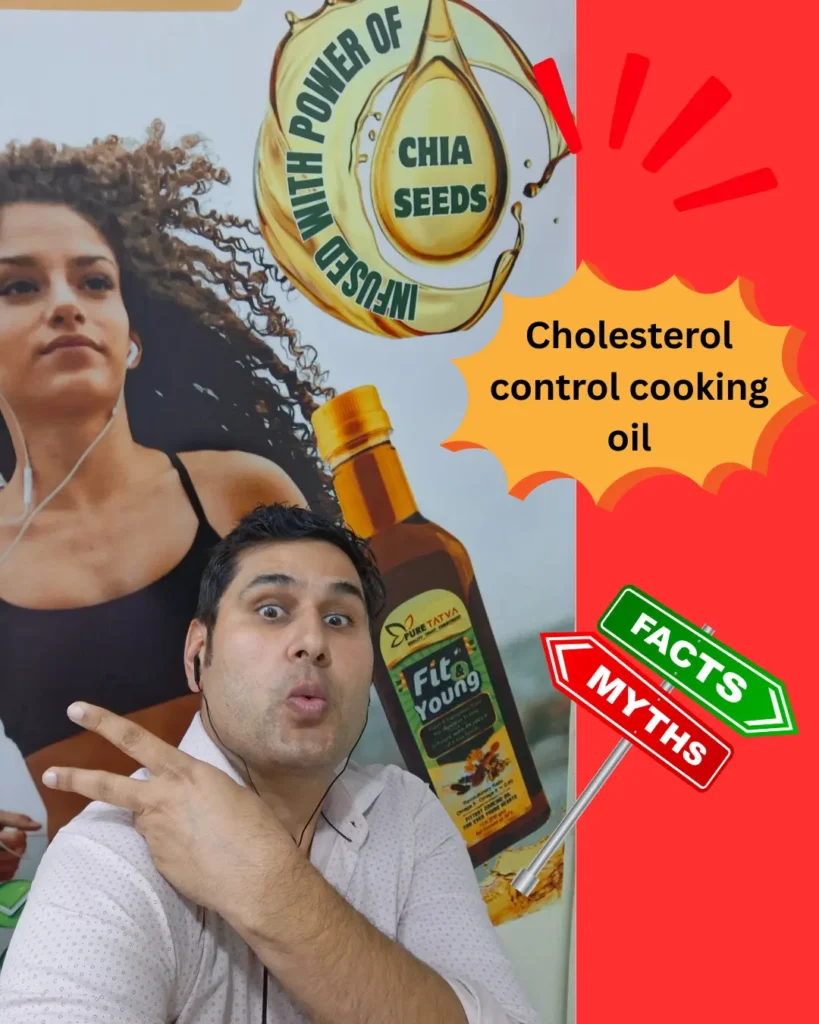
Best Cooking Oil for Cholesterol: Why Omega-3 Changes Everything “Take a look… chia seeds stock is now available.” At first glance, it may look like just another seed. But here’s what makes it different. Chia seed oil is naturally rich in Omega-3 fatty acids — often containing more than 70% Omega-3. And when we talk about the best cooking oil for cholesterol, Omega-3 is not a side note. It is central to the conversation. Because cholesterol balance is not controlled by labels.It is influenced by fatty acid composition. Let’s understand this clearly. What Makes the Best Cooking Oil for Cholesterol Effective? The best cooking oil for cholesterol is not defined by price, branding, or marketing claims. It is defined by how it interacts with your body’s lipid profile. Two major fatty acids influence heart health: Both are essential.But the ratio between them matters more than most people realize. When Omega-6 intake is too high and Omega-3 intake is too low, the body may enter a pro-inflammatory state. Chronic inflammation is closely linked with: So when choosing the best cooking oil for cholesterol, the question becomes: Does this oil support a healthy Omega-3 : Omega-6 ratio? Why Omega-3 Rich Oils Support Cholesterol Balance Chia seed oil stands out because of its high natural Omega-3 content. Omega-3 fatty acids are known to: This is why Omega-3 rich oils are often discussed when identifying the best cooking oil for cholesterol. But remember — balance is key. Omega-3 alone is not a miracle.It works best when combined with the right fats to create a better Omega ratio. Understanding the Omega-3 : Omega-6 Ratio and Cholesterol Here’s a simple exercise. Type this into Google:“Omega-3 : Omega-6 ratio and cholesterol.” You’ll notice a consistent theme:Modern diets are overloaded with Omega-6 and deficient in Omega-3. This imbalance may: The best cooking oil for cholesterol helps restore this balance instead of worsening it. That’s where scientifically crafted blends and Omega-3 rich oils come into play. Why Labels Alone Cannot Define the Best Cooking Oil for Cholesterol Many oils claim: But cholesterol management is not solved by clever packaging. The best cooking oil for cholesterol should be: Your cholesterol does not respond to branding.It responds to biochemistry. How to Choose the Best Cooking Oil for Cholesterol (Practical Guide) When selecting oil for daily use, ask: ✔ Is it naturally rich in Omega-3?✔ Does it avoid excessive Omega-6 overload?✔ Is the extraction process clean and minimally processed?✔ Does the brand explain science clearly?✔ Is the oil stable for your cooking method? The best cooking oil for cholesterol is one that supports long-term metabolic balance — not short-term marketing trends. Frequently Asked Questions (FAQ) 1. Which is the best cooking oil for cholesterol control? The best cooking oil for cholesterol is one that supports a healthy Omega-3 : Omega-6 ratio, is free from trans fats, and is minimally processed. 2. Why is Omega-3 important in the best cooking oil for cholesterol? Omega-3 fatty acids help reduce inflammation and support healthy triglyceride levels, which are crucial for cholesterol balance. 3. Is chia seed oil good for cholesterol? Chia seed oil is naturally rich in Omega-3 fatty acids, which may help improve lipid balance when included as part of a healthy diet. 4. Can refined oils disturb cholesterol levels? Highly refined oils may lose natural antioxidants and can contribute to fatty acid imbalance if high in Omega-6 and low in Omega-3. 5. Should I completely eliminate oil for cholesterol control? No. Moderation and choosing the best cooking oil for cholesterol is more sustainable than eliminating fats entirely. Healthy fats are essential for the body. Final Thoughts Whether it’s the era of advanced AI, new diet trends, or viral nutrition advice — one truth remains constant: Health is built on purity and balance. The best cooking oil for cholesterol is not about hype.It is about clean ingredients, scientific formulation, and long-term thinking. Because your heart health — and your children’s future — deserve more than just a good label. Choose wisely.

Pulling oil for teeth and gums
Oil Pulling

Pulling Oil for Teeth and Gums: Ancient Science or Just a Trend?

Pulling Oil for Teeth and Gums: Ancient Science or Just a Trend? Is pulling oil for teeth and gums just another social media trend?Or is it a time-tested practice rooted in ancient wisdom? The truth lies somewhere deeper than viral reels and quick hacks. Long before modern mouthwashes existed, traditional wellness systems recommended oil pulling as part of daily oral hygiene. Today, science is slowly catching up to explain why pulling oil for teeth and gums works so effectively. Let’s understand it step by step — logically and practically. What Is Pulling Oil for Teeth and Gums? Pulling oil for teeth and gums is a simple oral practice performed on an empty stomach in the morning. Here’s how it works: This is not brushing.This is not gargling. It is a controlled, mindful swishing process that supports oral balance. The Science Behind Pulling Oil for Teeth and Gums After 2–3 minutes of swishing, something interesting happens. The oil mixes with saliva and forms an emulsion. An emulsion simply means a stable mixture of oil and water.This combination becomes powerful because: During pulling oil for teeth and gums, this emulsion acts like a gentle cleansing medium. It binds and suspends unwanted particles inside the mouth. By the 7–10 minute mark, the oil becomes thinner and slightly milky. That’s your cue. Spit it out.Rinse with water.Then continue with regular brushing. Why Pulling Oil for Teeth and Gums Works Unlike harsh chemical mouthwashes, pulling oil for teeth and gums does not disturb the natural oral microbiome aggressively. Instead, it: The key word here is support. This is not a magic cure.It is a consistent daily discipline. How to Do Pulling Oil for Teeth and Gums Correctly To get maximum benefit, follow these steps: Step 1: Do It on an Empty Stomach Morning is ideal. Before tea, coffee, or breakfast. Step 2: Use 5 ml Oil More is not better. A small measured quantity works best. Step 3: Swish Gently for 7–10 Minutes No force. No cheek strain. Slow and steady. Step 4: Spit and Rinse Spit into a bin (not the sink if possible). Rinse with plain water. Step 5: Brush Normally Oil pulling is an addition, not a replacement. When done consistently, pulling oil for teeth and gums becomes a smooth part of your routine. Is Pulling Oil for Teeth and Gums Part of Ayurveda? Yes. In Ayurveda, oil pulling is known as Gandusha or Kavala, and it is included in daily self-care practices (Dincharya). The idea is simple:Start your day by cleansing your mouth naturally before introducing food or beverages. What may feel awkward initially soon becomes habitual. Within days, most people find pulling oil for teeth and gums easy and sustainable. Frequently Asked Questions (FAQ) 1. How long should I practice pulling oil for teeth and gums? 7–10 minutes daily is sufficient. Consistency matters more than duration. 2. Can pulling oil for teeth and gums replace brushing? No. It complements brushing but does not replace toothpaste and mechanical cleaning. 3. Which oil is best for pulling oil for teeth and gums? Traditionally, cold-pressed oils are preferred because they are minimally processed and retain natural properties. 4. Is pulling oil for teeth and gums safe for daily use? Yes, when done gently and correctly, it is considered safe for daily practice. 5. How soon can I see results from pulling oil for teeth and gums? Some people notice fresher breath and cleaner feeling within days. Gum health benefits depend on regular, long-term consistency. Final Thoughts Not every traditional practice is outdated.Some are simply rediscovered. Pulling oil for teeth and gums is not a trend — it is an ancient, practical method that aligns with both traditional wisdom and modern understanding of oral hygiene. Start simple.Stay consistent.Reconnect with time-tested science. Sometimes, the most powerful solutions are also the simplest.

Best cooking oil for cholesterol control
Healthy Cooking Oil

Best Cooking Oil for Cholesterol Control: What Doctors Don’t Fully Explain

“Doctor ne kaha — ‘Oil kam karo.’”We nodded in agreement… and came back home. But once we entered the kitchen, a real question stood in front of us: “Kam to kar denge… but khaayein kaunsa?” This is where confusion begins. Because best cooking oil for cholesterol control does not simply mean the most expensive bottle on the shelf.It does not mean the one advertised heavily on television.And it certainly does not mean blindly trusting a “cholesterol free” label. Let’s break it down logically. What Does “Best Cooking Oil for Cholesterol Control” Actually Mean? Most people think the best cooking oil for cholesterol control is: But cholesterol management is not about branding.It is about biochemistry. The right oil should: Anything beyond that is marketing noise. Why “Cholesterol Free” on the Label Is Misleading Here’s a truth many don’t realize: All vegetable oils are naturally cholesterol free. Cholesterol is found only in animal products. So when an oil bottle screams “cholesterol free,” it is technically correct — but strategically confusing. The real question should be: Does this oil disturb your lipid profile indirectly? The best cooking oil for cholesterol control is not defined by what it claims.It is defined by how it behaves inside your body. The Hidden Problem: Chemical Refining Most refined oils go through: This may increase shelf life and improve appearance, but it can reduce natural nutrients and disturb fatty acid balance. When choosing the best cooking oil for cholesterol control, ask: Because heart health is not protected by shine — it is protected by balance. Omega Balance: The Real Game Changer One of the most overlooked aspects of the best cooking oil for cholesterol control is Omega balance. Modern diets are already overloaded with Omega-6 fatty acids.When Omega-3 intake is too low and Omega-6 is too high, the body may enter a pro-inflammatory state. Inflammation plays a key role in: So the best cooking oil for cholesterol control should: Balance — not extremity — is the solution. How to Choose the Best Cooking Oil for Cholesterol Control (Practical Checklist) Next time you shop, don’t look at price first. Look at process. ✔ Is it cold pressed or minimally processed?✔ Is it genuinely trans fat free (not just claimed)?✔ Does the brand explain Omega balance clearly?✔ Is it free from chemical refining?✔ Is transparency visible beyond the front label? If yes, you’re closer to selecting the best cooking oil for cholesterol control for your family. Why Understanding Comes Before Buying In India, we often switch oils after a diagnosis.But real change happens when understanding comes first. The best cooking oil for cholesterol control is chosen not out of fear — but awareness. When you understand: Then your choices automatically become better. And once choices improve, long-term health follows. Frequently Asked Questions (FAQ) 1. Which is the best cooking oil for cholesterol control in India? The best cooking oil for cholesterol control is one that is cold pressed, minimally processed, free from trans fats, and maintains a healthy Omega balance. Avoid oils that rely only on marketing claims. 2. Are refined oils good for cholesterol? Highly refined oils may lose natural antioxidants and can disturb fatty acid balance. For cholesterol management, minimally processed oils are generally preferred. 3. Is expensive oil automatically better for cholesterol control? No. Price does not guarantee quality. The best cooking oil for cholesterol control depends on extraction process, fatty acid composition, and transparency — not cost. 4. Why is Omega balance important for cholesterol? An imbalance between Omega-6 and Omega-3 can promote inflammation, which is linked to heart disease and cholesterol issues. Balanced oils support better cardiovascular health. 5. Should I completely stop consuming oil if I have high cholesterol? Doctors often suggest reducing excess oil, not eliminating it entirely. Choosing the best cooking oil for cholesterol control and using it in moderation is a more sustainable approach. Final Thoughts When the doctor says, “Reduce oil,”The smarter question is not “How little?”It is “Which one?” The best cooking oil for cholesterol control is not defined by loud advertisements.It is defined by science, balance, and purity. Because when understanding improves,Choices improve.And when choices improve,Health follows naturally.

Best mustard oil in India
Cold Pressed Oil

Best Mustard Oil in India: Why Balanced is Better Than Extra Pungent

Imagine this. You suddenly hit the brakes… and right in front of you stands a lion — attack mode on. Your body instantly releases adrenaline. Within seconds, you do things you never imagined possible. You drive faster. You react sharper. You operate in survival mode. Now imagine if that adrenaline stayed active all the time.You would drive at 140 km/h even when there is no danger.You would react in anger.You would live in permanent defence mode. But here’s the truth: defence mode is not meant to be permanent mode. And surprisingly, this exact concept applies when choosing the best mustard oil in India. The Science Behind Mustard Oil: Calm vs Defence Mode Mustard seeds, in their natural state, are calm. They contain two separate compounds: In intact seeds, these compounds remain separate. Peaceful. Stable. Balanced. But during certain extraction processes, water is added.When water is introduced, the seed senses “damage.” This triggers a defence reaction. Sinigrin and myrosinase interact to form allyl isothiocyanate (AITC) — the compound responsible for the sharp, pungent smell and strong jhanjh (extra pungency) in mustard oil. Today, this sharpness is marketed as a sign of quality.“Zyada jhanjh matlab zyada powerful.” But is that really the sign of the best mustard oil in India? Is Extra Pungency Really a Sign of the Best Mustard Oil in India? Let’s think logically. When the body releases adrenaline temporarily, it helps survival.But constant adrenaline damages health. Similarly, when mustard’s defence compound activates aggressively during extraction, the oil becomes excessively pungent. Moderate pungency is natural.Excessive pungency is a reaction. The real question isn’t:“How sharp is the smell?” The real question is:“Was the oil extracted in a way that keeps the seed calm and balanced?” The best mustard oil in India should preserve the natural integrity of the seed — not push it into permanent defence mode. What Makes the Best Mustard Oil in India Scientifically Superior? If we remove marketing noise and look at science, three things matter: 1. No-Water Extraction Policy When no water is added during extraction, the defence reaction is minimized.This helps maintain balance in the oil’s natural compounds. 2. Cold-Pressed Technique Cold pressing ensures: The best mustard oil in India is not about aggressive processing.It is about minimal intervention. 3. Balanced Pungency, Not Artificial Sharpness A naturally balanced mustard oil: Too much jhanjh is not sophistication.It is simply over-activation. How to Identify the Best Mustard Oil in India (Practical Checklist) Before buying, ask yourself: ✔ Is it truly cold pressed?✔ Is there clarity about the extraction process?✔ Does the brand explain science, not just tradition?✔ Is the pungency balanced rather than aggressive?✔ Is the oil stable and smooth in texture? If the answer to these is yes, you’re closer to choosing the best mustard oil in India for your kitchen. Why Balance Matters More Than Trends Today, trends dominate food choices.“Extra strong.”“Extra pungent.”“Extra powerful.” But science says something different. Whether it’s the human body or a mustard seed — calm form is healthier than constant defence form. The best mustard oil in India should be: Not exaggerated. Frequently Asked Questions (FAQ) 1. Which is the best mustard oil in India for daily cooking? The best mustard oil in India is one that is cold pressed, extracted without water interference, and maintains natural balance in pungency. Avoid oils that are excessively sharp just for marketing appeal. 2. Is more pungent mustard oil better? Not necessarily. Extreme pungency may indicate higher activation of allyl isothiocyanate due to processing. The best mustard oil in India should have natural warmth, not overwhelming sharpness. 3. Why does some mustard oil smell very strong? A very strong smell occurs when sinigrin and myrosinase react during extraction, especially if water is added. This activates defence compounds in the seed. 4. Is cold-pressed mustard oil healthier? Yes. Cold pressing preserves nutrients, antioxidants, and natural fatty acid composition. Most experts recommend cold-pressed options when searching for the best mustard oil in India. 5. How do I choose the best mustard oil in India for my family? Look for: Always choose science-backed brands over trend-based claims. Final Thoughts: The Real Definition of the Best Mustard Oil in India Choosing the best mustard oil in India is not about chasing sharpness.It is about respecting the seed’s natural structure. Just like the human body performs best in calm balance —Mustard oil performs best when extracted without pushing it into defence mode. Balanced.Stable.Scientifically aligned. That is what truly defines the best mustard oil in India. If this made logical sense to you — follow science, not noise.

Heart Healthy Cooking Oil
Healthy Cooking Oil

Heart Healthy Cooking Oil: Why Elasticity Matters More Than Labels

Before choosing a heart healthy cooking oil, let’s understand something basic. What exactly is the heart? The heart is a muscle. Its primary function is simple yet powerful — it pumps oxygenated blood throughout the body. But like every muscle, its long life depends on one critical factor: Elasticity. When arteries remain flexible and elastic, blood flows smoothly. When elasticity reduces, pressure increases — and problems begin. That’s why choosing a truly heart healthy cooking oil is not about marketing labels. It’s about supporting elasticity at the cellular level. What Makes a Cooking Oil Truly Heart Healthy? A heart healthy cooking oil should support: Supporting heart elasticity requires a balanced diet containing: But there is one nutrient your body cannot produce on its own: 👉 Omega-3 fatty acids Why Omega-3 Is Essential in a Heart Healthy Cooking Oil Omega-3 plays a direct role in: If you type on Google:“How Omega-3 helps heart” You’ll find consistent scientific discussions about how Omega-3 supports cardiovascular function. That’s why a heart healthy cooking oil should ideally contain natural Omega-3 in a balanced ratio with Omega-6. Where Can You Get Omega-3? Omega-3 can come from: For daily Indian cooking, fish oil capsules are not practical. Supplements are not always sustainable long term. But a heart healthy cooking oil that naturally contains Omega-3 — especially infused from seeds like chia — integrates seamlessly into everyday meals. That makes consistency possible. And consistency builds long-term heart health. Elastic Arteries, Better Circulation, Stronger Heart Think of your arteries like flexible pipes. When elasticity is strong: When elasticity weakens: A balanced heart healthy cooking oil rich in natural fats helps maintain that elasticity over time. This is not rocket science.It’s basic physiology. Why Labels Alone Don’t Define a Heart Healthy Cooking Oil Many oils today say: But cholesterol-free does not automatically mean heart supportive. What truly matters in a heart healthy cooking oil is: Purity and balance matter more than packaging. How Pure Tatva Approaches Heart Healthy Cooking Oil Pure Tatva focuses on logic, not hype. Instead of artificial claims, the goal is simple: Create a heart healthy cooking oil that: ✔ Is naturally stable✔ Contains balanced fatty acids✔ Supports elasticity✔ Works for adults and children alike When Omega-3 is carefully infused from natural sources like chia seeds, it becomes part of everyday nutrition — not a separate supplement routine. That is sustainable wellness. FAQs: Heart Healthy Cooking Oil What is a heart healthy cooking oil? A heart healthy cooking oil is one that supports arterial elasticity, reduces inflammation, and contains balanced Omega-3 and Omega-6 fats. Why is Omega-3 important for heart health? Omega-3 helps reduce inflammation, supports flexible arteries, and improves circulation — all essential for cardiovascular wellness. Can cooking oil affect heart elasticity? Yes. The type of fats consumed daily influences arterial flexibility and long-term heart function. Is cholesterol-free oil automatically heart healthy? No. Cholesterol-free labels do not guarantee balanced fatty acids or anti-inflammatory benefits. Which nutrients support heart elasticity? Vitamin K2, C, E, magnesium, Vitamin D, and Omega-3 are important for maintaining arterial flexibility. A heart healthy cooking oil is not about fear.It’s about understanding how the heart works. Support elasticity.Support balance.Support daily nutrition — consistently. Pure Tatva will continue to speak logically.If that makes sense to you, stay connected. Save | Share | Follow Pure Tatva for real health awareness.

Best cold pressed mustard oil
Cold Pressed Oil

Best Cold Pressed Mustard Oil: What “Pure” Actually Means Today

When we talk about the best cold pressed mustard oil, most brands talk loudly about tradition, pungency, and strong aroma.But purity isn’t about noise.Purity is about process, transparency, and science. At Pure Tatva, something interesting happened.In just three record days, the artwork for our cold pressed mustard oil was finalized—not to look fancy, but to tell the truth clearly. Because when it comes to the oil you eat every day, nothing should be hidden. What You See on the Front Label—and Why It Matters Pick up the bottle and the message is simple: No exaggerated claims. No buzzwords. And then, something most brands avoid saying upfront: No water added.No blends.No chemicals.No pungency. Yes—NO PUNGENCY.And that’s intentional. Why the Best Cold Pressed Mustard Oil Doesn’t Need Excess Pungency There’s a popular belief that strong “jhaanjh” equals purity.That belief is outdated. Traditionally, water is added during extraction. This activates a chemical reaction that produces Allyl Isothiocyanate, which creates excessive pungency. But here’s the truth: Pure Tatva follows a water-free extraction policy.That means the mustard seed remains in its natural, calm state—Sinigrin–Myrosinase balance intact. Result? That’s how the best cold pressed mustard oil is supposed to behave. Why Our Mustard Oil Feels Light Yet Nourishing Many people ask: “Why does this oil feel lighter?” Because it is. Pure Tatva mustard oil is: So yes, during frying you may notice mild natural foam.That’s not a defect—it’s a sign of zero chemical interference. We mention this clearly on the back label, because transparency matters more than marketing comfort. Less Oil, Same Taste: The 35% Truth Here’s something we wrote boldly on the label: 4 spoons of regular oil = only 2.25 spoons of Pure Tatva mustard oil That’s nearly 35% less oil per meal—naturally. Why?Because purity improves absorption and satiety. If eating clean automatically reduces consumption, that’s real nutrition—not forced dieting. Ingredients That Don’t Need Explanation Turn the bottle.Read the ingredients. 100% Pure Mustard Seed Oil Nothing added.Nothing taken away.Nothing twisted through fancy wording. That simplicity is rare today—and that’s exactly what defines the best cold pressed mustard oil. Why This Is Truly the Best Cold Pressed Mustard Oil Let’s summarize what sets it apart: This isn’t trend-following.This is process integrity. And that’s what makes Pure Tatva’s mustard oil stand where it does. FAQs: Best Cold Pressed Mustard Oil What is the best cold pressed mustard oil? The best cold pressed mustard oil is one that is water-free, chemical-free, unblended, and extracted without heat to preserve nutrition. Why does Pure Tatva mustard oil have no pungency? Because no water is added during extraction, preventing the chemical reaction that creates excessive pungency. Is mild foaming during frying normal? Yes. Mild foam indicates the absence of anti-foaming chemicals and confirms natural purity. Does less pungency mean less nutrition? No. Nutrition depends on fatty acid integrity, not pungency. Water-free extraction preserves nutrients better. Why does Pure Tatva oil require less quantity? Because pure, stable oil improves satiety and absorption, leading to naturally lower usage. The best cold pressed mustard oil is not the loudest one on the shelf.It’s the one that tells you the whole truth—front and back. Pure Tatva will continue to speak logically.You decide—by reading labels, not slogans. Save | Share | Follow Pure Tatva for real food awareness.

Good cholesterol cooking oil
Healthy Cooking Oil

Good Cholesterol Cooking Oil: What Really Helps Increase HDL Naturally

Good cholesterol cooking oil – Are you serious ! Let’s find out. Before asking which good cholesterol cooking oil to use, let’s pause and ask a more important question. Which cholesterol is actually good? There is one type of cholesterol that, when your liver starts producing more of it, makes heart disease far less likely. That cholesterol is HDL (High-Density Lipoprotein) — commonly known as good cholesterol. And here’s the truth most people miss: Your HDL levels are not controlled by medicine alone. They are shaped daily by food choices, lifestyle habits, and the cooking oil you use. What Is Good Cholesterol and Why HDL Matters HDL cholesterol works like a clean-up crew inside your body. Higher HDL levels are linked to: That’s why choosing a good cholesterol cooking oil matters more than choosing “cholesterol-free” labels. The Liver: The Real Factory of Good Cholesterol Here’s a reality check. Your liver decides: And the liver responds to signals. When your daily habits improve, your liver automatically becomes a powerhouse of HDL production. How Lifestyle Triggers Good Cholesterol Production HDL doesn’t increase magically. It increases when you replace the wrong inputs with the right ones: Each replacement sends a clear message to your liver: “Produce more HDL. Protect the heart.” Why Cooking Oil Plays a Critical Role in HDL Levels Most people don’t realize this. Your cooking oil directly influences: Refined and chemically processed oils create stress inside the body. But a good cholesterol cooking oil does the opposite. It supports: What Makes a Good Cholesterol Cooking Oil? A cooking oil that supports good cholesterol must be: This balance is what allows the liver to favor HDL over LDL. Why Fit & Young Is a Good Cholesterol Cooking Oil Fit & Young Cooking Oil by Pure Tatva is designed specifically to support metabolic and heart health. What makes it different? This makes Fit & Young a good cholesterol cooking oil that supports the liver’s natural ability to produce HDL. When the oil is right, your body does the rest—naturally and efficiently. Can Good Cholesterol Really Increase Without Medicines? Yes—when the foundation is correct. With: Your HDL can improve without forcing the body. You feel better. Energy improves. And good cholesterol increases “for free.” Why Pure Tatva Focuses on Long-Term Health, Not Shortcuts Pure Tatva is not building a hyper-automation, shortcut-driven business. The focus is simple: Create what people — and their children — genuinely need to stay healthy. That’s why the emphasis is on: Supporting Pure Tatva means supporting real food, real health, and real futures. FAQs: Good Cholesterol Cooking Oil  What is a good cholesterol cooking oil? A good cholesterol cooking oil is one that supports HDL production by being natural, cold-pressed, and balanced in healthy fats. Can cooking oil really increase HDL cholesterol? Yes. The right cooking oil improves liver signaling and reduces inflammation, both of which help increase HDL. Is cholesterol-free oil good for heart health? Not necessarily. Cholesterol-free labels do not guarantee HDL support. Fat quality matters more than labels. Which fat helps increase good cholesterol? Monounsaturated fats and omega-3 fatty acids are known to support HDL production. Is Fit & Young a good cholesterol cooking oil? Yes. Its natural omega-3 infusion from chia seeds and cold-pressed process make it suitable for supporting good cholesterol. Good cholesterol is not created by fear. It is created by smart, consistent choices. Choose wisely. Live actively. And let your liver do what it’s designed to do. Save | Share | Follow Pure Tatva for real health awareness.

Best type of oil for oil pulling
Oil Pulling

Best Type of Oil for Oil Pulling: Ayurveda’s Answer to Modern Dental Problems

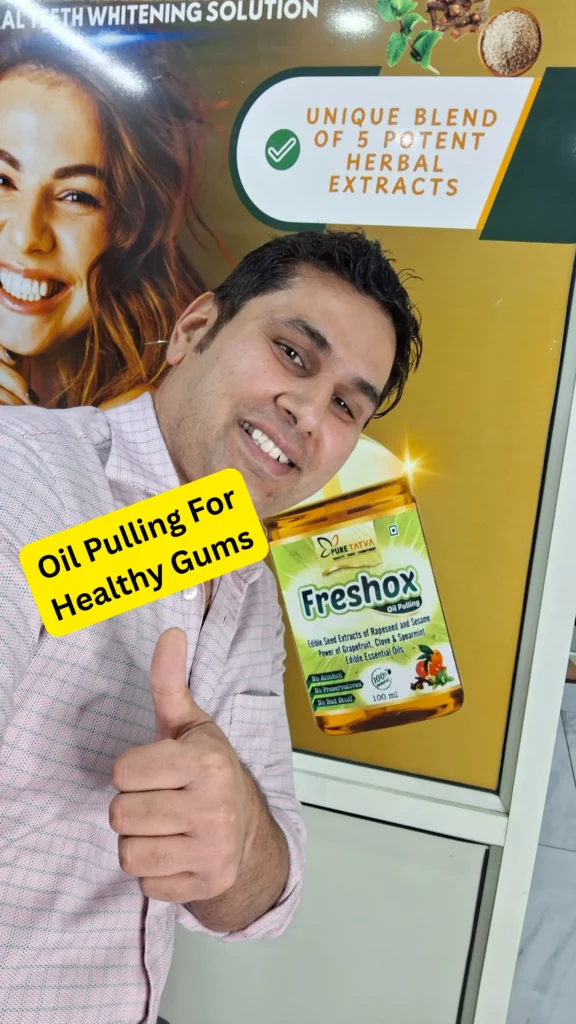
Best type of oil for oil pulling – let’s clear all doubts. Best Type of Oil for Oil Pulling: Ayurveda’s Answer to Modern Dental Problems At first glance, oil pulling and dental care may seem unrelated to nutrition brands. But when you look deeper, the connection becomes obvious. India today is silently facing a dental health crisis. Nearly 8 out of 10 people suffer from cavities, gum issues, sensitivity, or bad breath, often without realizing the root cause. Ayurveda identified this problem thousands of years ago—and offered a solution long before modern dentistry existed. That solution is oil pulling. But there’s a catch. The results depend entirely on choosing the best type of oil for oil pulling. Why Oil Pulling Matters More Than Ever Today Modern lifestyles have changed the oral environment drastically: All these factors create an acidic mouth environment, which weakens enamel and irritates gums. Oil pulling works at the root level by restoring balance—but only when the oil is pure and suitable. Best Type of Oil for Oil Pulling: What Ayurveda Clearly Says Ayurveda never promoted random oils. For Gandusha and Kavala (oil pulling), Ayurvedic texts emphasize oils that are: This is why choosing the best type of oil for oil pulling is non-negotiable. Why Purity Is the Most Important Factor in Oil Pulling If the oil used is: Then oil pulling may do more harm than good. Impure oils can: That’s why oil purity is not optional—it is the foundation of oil pulling benefits. Is a Single Oil Enough for Oil Pulling? Traditionally, oils like sesame were used. They work—but Ayurveda also supports herbal oil formulations for deeper therapeutic action. A well-designed blend can: This brings us to a more evolved approach. Why Freshox Is Considered the Best Type of Oil for Oil Pulling Freshox is not a single oil.It is a scientifically crafted blend of five potent herbal oils, designed specifically for oil pulling. Freshox Contains:  No artificial flavours. No chemical extracts. Only Ayurveda-backed purity. This is why many consider Freshox the best type of oil for oil pulling in modern lifestyles. How the Right Oil Improves Oil Pulling Results When the oil is pure and herbal: Oil pulling stops being a ritual—and becomes preventive oral care. How to Use the Best Type of Oil for Oil Pulling Consistency is more important than duration. Best Type of Oil for Oil Pulling: Key Takeaways FAQs: Best Type of Oil for Oil Pulling What is the best type of oil for oil pulling? The best type of oil for oil pulling is pure, stable, and ideally herbal. Oils free from chemicals and artificial flavors work best. Can any cooking oil be used for oil pulling? No. Cooking oils that are refined or adulterated can irritate gums and reduce benefits. Is a herbal oil blend better than a single oil? Yes. Herbal blends combine multiple therapeutic properties, offering better support for gums, bacteria control, and oral freshness. How long does it take to see oil pulling results? Most people notice fresher breath and reduced sensitivity within 2–3 weeks of consistent use. Is oil pulling safe for daily use? Yes, when done with the best type of oil for oil pulling, it is safe and beneficial for daily oral hygiene. Oil pulling was never meant to be complicated. It was meant to be pure, simple, and effective. When purity meets Ayurveda, results are not just felt—they are understood. For more logical health awareness, Save | Share | Follow Pure Tatva.

Oil pulling for dental health
Oil Pulling

Oil Pulling for Dental Health: The Ayurvedic Way to Fight Cavities & Gum Problems

Oil pulling for dental health – Enough Confusions ! Now let’s clear the fog. Cavities and gum problems are no longer rare issues. In fact, nearly 85% of Indians—adults and children alike—struggle with dental problems today. Yet most people are fighting the symptoms, not the real cause. Before blaming weak teeth or bad genetics, it’s time to understand what actually damages dental health—and how oil pulling for dental health addresses it at the root. What Really Causes Cavities and Gum Problems? When you eat sugar or starchy food, the bacteria present in your mouth don’t attack your teeth directly. They feed on sugar. And when bacteria digest sugar, they produce acid as a by-product. That acid: So the real enemy is not sugar alone— It is the acidic environment of the mouth. Once the mouth stays acidic for long periods, tooth damage becomes inevitable. Why an Acidic Mouth Environment Is Dangerous Any surface repeatedly exposed to acid will corrode. Teeth are no different. An acidic oral environment leads to: This is why brushing alone often feels insufficient. The real solution lies in restoring the natural pH balance of the mouth. Oil Pulling for Dental Health: The Ayurvedic Logic Ayurveda understood oral health centuries before modern dentistry. Oil pulling—known as Gandusha and Kavala—was designed to: This practice was never a trend. It was daily hygiene. How Oil Pulling Improves Dental Health Naturally 1. Oil Pulling Reduces Mouth Acidity Oil pulling sends a daily signal to your salivary glands. This increases saliva production. Why is saliva important? This is one of the strongest oil pulling dental health benefits. 2. Washes Away Acid-Producing Bacteria When oil is swished in the mouth: Regular oil pulling for dental health reduces bacterial load without killing beneficial oral flora. 3. Supports Gum Health & Strength An acidic mouth irritates gum tissue. Oil pulling: This is why many people notice healthier gums after consistent practice. Why Oil Quality Matters in Oil Pulling Oil pulling works only when the oil is pure. Chemically refined or adulterated oils: A natural, well-balanced blend like Pure Tatva Freshox, made from carefully selected herbal oils, supports: Oil purity is non-negotiable for real results. How to Practice Oil Pulling for Dental Health Simple Daily Routine: Consistency matters more than duration. Oil Pulling Dental Health Benefits at a Glance This is preventive dental care, not damage control. FAQs: Oil Pulling for Dental Health Does oil pulling reduce mouth acidity? Yes. Oil pulling increases saliva production, which helps neutralize acidic pH in the mouth naturally. Can oil pulling prevent cavities? Oil pulling helps reduce acid-producing bacteria and supports enamel protection, lowering cavity risk over time. Is oil pulling safe for children? When done correctly under guidance and with pure oils, oil pulling can be beneficial. Always ensure the oil is safe and swallowed oil is avoided. How often should oil pulling be done for dental health? Daily practice in the morning delivers the best long-term results for oral hygiene and gum health. Which oil is best for oil pulling dental health? Pure, unrefined oils or scientifically balanced herbal blends work best. Oil purity is essential for results. Ayurveda was never guesswork. It was applied science. And oil pulling for dental health proves that ancient wisdom still solves modern problems—when done right. For more logical health awareness,Save. Share. Follow Pure Tatva.

0
    0
    Your Cart
    Your cart is emptyReturn to Shop
    Scroll to Top