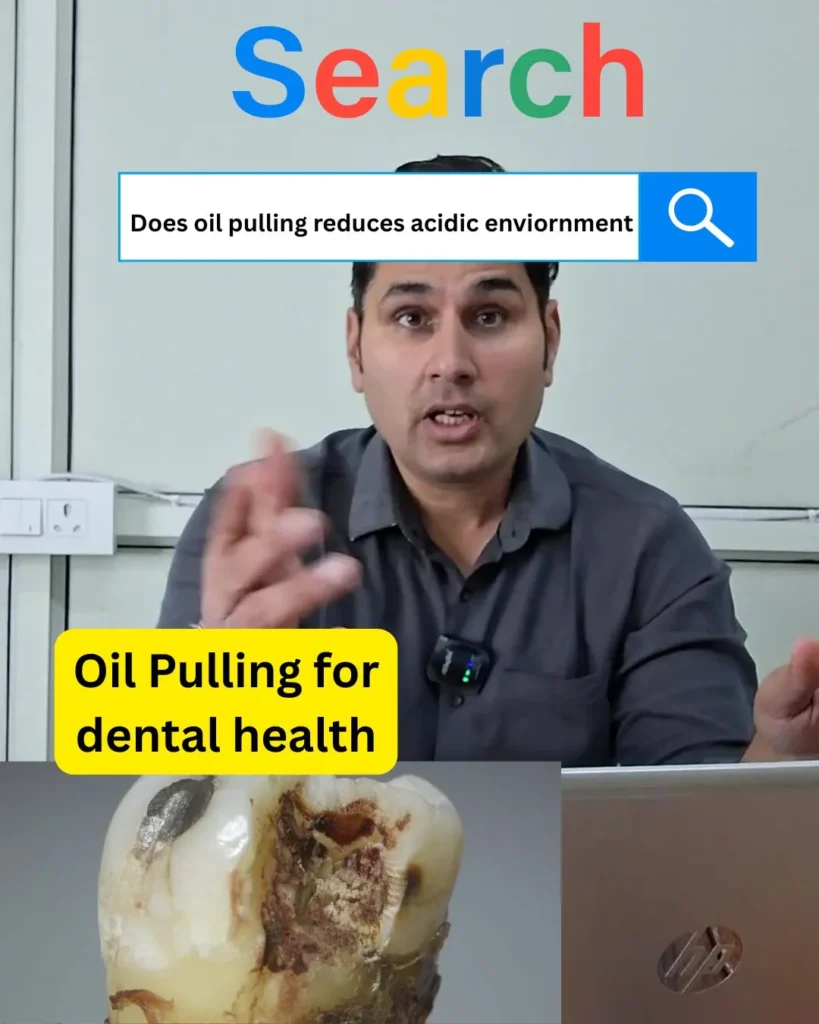


Oil Pulling for Healthy Gums: Ancient Wisdom with Modern Science
Did you know that nearly 85% of people in India experience some form of gum problem during their lifetime? Bleeding gums, swelling, bad breath, plaque buildup, and gum sensitivity are far more common than most people realize. One of the most powerful yet simple traditional practices recommended for oral care is oil pulling for healthy gums. But before blindly believing any health trend, it is important to understand why oil pulling works and what science says about it. Interestingly, what modern science is slowly discovering today was already described thousands of years ago in Ayurvedic oral care practices. Why Gum Problems Are So Common Today The mouth is home to hundreds of bacterial species. When oral hygiene and diet are not balanced, these bacteria start forming plaque and biofilm layers on the teeth and gums. Over time, this bacterial buildup can lead to: Many people do not notice the early stages because micro-inflammation in the gums is often invisible. This is where oil pulling for healthy gums may play a supportive role by helping maintain oral microbial balance. How Oil Pulling for Healthy Gums Works Oil pulling is an ancient Ayurvedic technique where oil is swished in the mouth for several minutes before being spat out. But why would oil help in oral health? The answer lies in the structure of many gum-related bacteria. Research suggests that several oral bacteria possess lipid-based outer membranes, meaning parts of their structure interact with oil-based compounds. When practiced regularly, oil pulling for healthy gums may help: This concept aligns with Ayurvedic wisdom that believed certain oils could help maintain oral balance naturally. Ayurvedic Perspective on Oil Pulling In Ayurveda, oil pulling is known as Gandusha or Kavala, two traditional practices used to support oral health. Ancient Ayurvedic texts recommended oil-based mouth therapies to: The idea was simple: natural oils interact with impurities in the mouth and help remove them during the swishing process. Today, modern discussions around oil pulling for healthy gums are revisiting these traditional practices with renewed interest. Choosing the Right Oil for Oil Pulling Not all oils behave the same way when used for oil pulling. Traditionally used oils include: Sesame Oil One of the most commonly mentioned oils in Ayurveda for oral cleansing. Coconut Oil Known for its natural antimicrobial properties. Herbal Oil Blends Some formulations combine multiple plant oils to deliver broader phytochemical benefits. A carefully formulated herbal blend may provide a wider range of natural oil-soluble compounds, which can interact with oral bacteria more effectively. This is why many people exploring oil pulling for healthy gums prefer oils that combine multiple botanical extracts. How to Practice Oil Pulling for Healthy Gums If you want to try oil pulling for healthy gums, the process is simple. Step 1: Take One Tablespoon of Oil Use a natural oil suitable for oil pulling. Step 2: Swish for 5–10 Minutes Move the oil gently around your mouth without swallowing it. Step 3: Spit It Out Discard the oil in a trash bin rather than the sink. Step 4: Rinse Your Mouth Rinse with warm water and brush normally. Consistency is important. Practicing oil pulling for healthy gums regularly may provide better results over time. Oil Pulling Is an Experience, Not a Quick Fix Like many traditional health practices, oil pulling is not a miracle cure. Instead, oil pulling for healthy gums works best as part of a broader oral hygiene routine that includes: When practiced consistently, oil pulling can become a simple daily ritual that supports long-term gum health and oral balance. Frequently Asked Questions (FAQ) Does oil pulling really help with gum health? Yes, oil pulling for healthy gums may help reduce plaque buildup and support oral hygiene by interacting with bacteria and biofilm layers in the mouth. How long should oil pulling be done? Most experts recommend practicing oil pulling for healthy gums for about 5–10 minutes daily, preferably in the morning before eating. Which oil is best for oil pulling? Common oils used for oil pulling for healthy gums include sesame oil, coconut oil, and herbal oil blends that contain natural plant extracts. Can oil pulling remove bacteria from the mouth? Oil pulling may help reduce certain oral bacteria and plaque when practiced regularly as part of good oral hygiene. Is oil pulling safe to do every day? Yes, oil pulling for healthy gums is generally safe when done correctly and when the oil is not swallowed. Final Thought Gum health often receives attention only after problems begin. But prevention is always more powerful than treatment. Traditional practices like oil pulling for healthy gums remind us that sometimes the most effective solutions are also the simplest ones. Our ancestors understood the relationship between natural oils, oral bacteria, and gum health long before modern science began exploring these mechanisms. Trying oil pulling is not about blindly following tradition — it is about experiencing the difference yourself.