
Mustard Oil

Which mustard oil is best for cooking
Mustard Oil

Which Mustard Oil Is Best for Cooking?

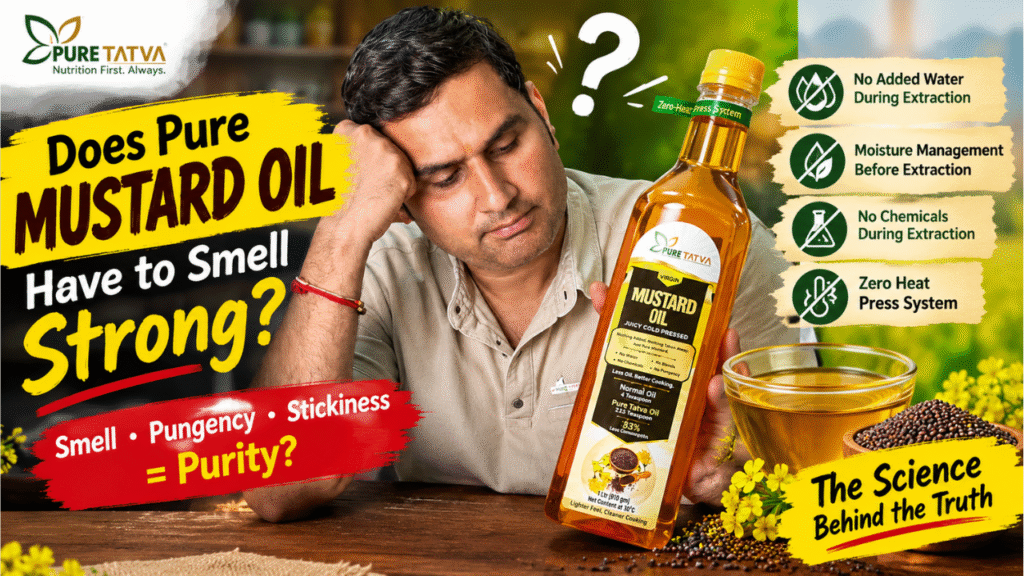
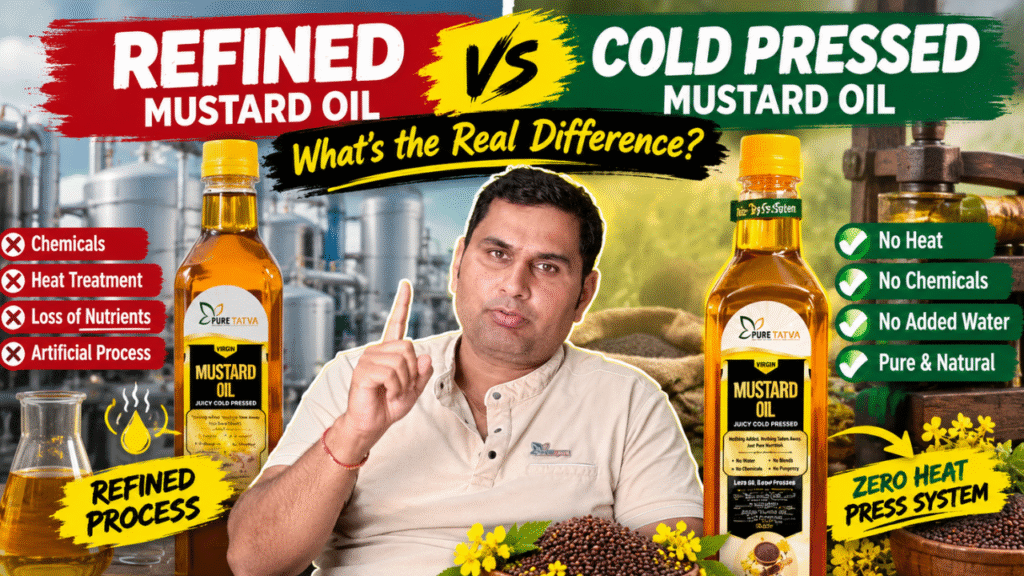
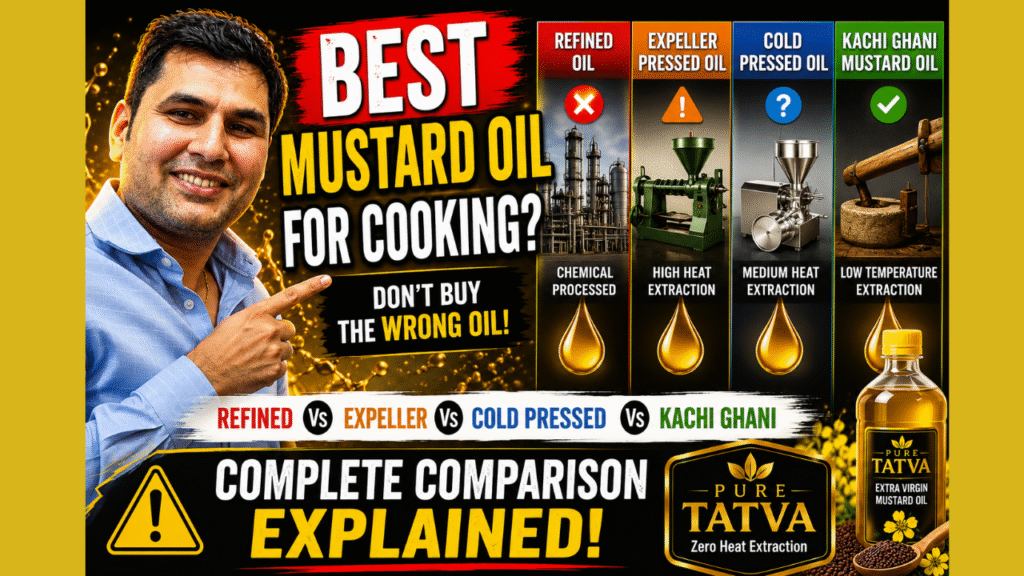
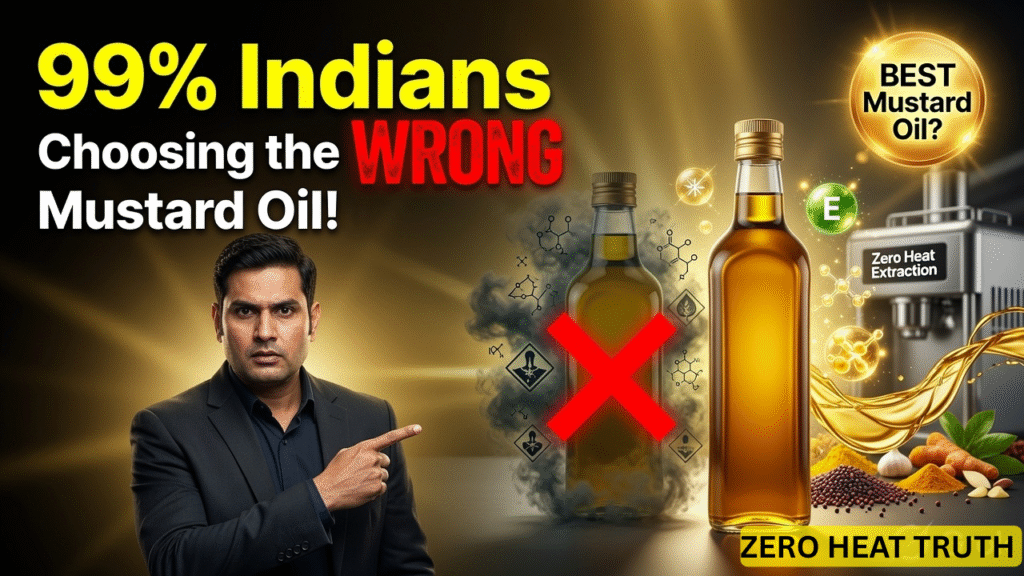
The best mustard oil for cooking is one that is 100% pure, gently extracted without excessive heat, rich in naturally occurring vitamin E, antioxidants and unsaturated fatty acids, and free from adulteration. Extraction method plays a bigger role in quality than brand name or pungency alone. Which Mustard Oil Is Best for Cooking? If you ask me just one question about cooking oil, it’s usually this: “Which mustard oil is best for cooking?” My answer is always the same. The best mustard oil isn’t the one with the biggest brand name. It isn’t the one that burns your eyes. It isn’t the one with the strongest smell. The best mustard oil is the one that preserves the natural nutrition of the mustard seed. That means choosing an oil that naturally retains: Most people never think about how the oil was extracted. But that’s exactly where the real difference begins. What Makes a Mustard Oil Good for Cooking? A good cooking oil should do more than simply survive high temperatures. It should also preserve the natural goodness present inside the seed. When mustard oil is extracted gently, many naturally occurring nutrients remain better preserved. These include: These nutrients contribute to both flavour and nutritional quality. Does Strong Pungency Mean Better Mustard Oil? This is probably the biggest misconception in the Indian market. Many consumers believe: More pungency = More purity Unfortunately, it isn’t that simple. A strong smell or eye-watering sensation does not automatically prove that an oil is of higher quality. To understand why, we first need to understand the science behind mustard oil. Why Does Mustard Oil Become Pungent? Mustard seeds naturally contain compounds that can produce the familiar sharp aroma associated with traditional mustard oil. During many conventional extraction methods, water is introduced into the extraction process. This allows naturally occurring reactions inside the seed that generate the characteristic pungency people associate with mustard oil. Traditional methods such as: generally depend on moisture during processing. Over time, consumers began linking this pungency with purity. But these are not the same thing. Pungency is a characteristic. Purity is a quality standard. Can Fake Mustard Oil Smell Like Real Mustard Oil? Unfortunately, yes. Food adulteration has become increasingly sophisticated. Some adulterated products may use artificial flavouring compounds that imitate the characteristic aroma of mustard oil. As a result, a bottle may: while not offering the same nutritional profile as genuine mustard oil. This is one reason why smell alone should never be used as a test for purity. Why Extraction Method Matters More Than Brand Name When consumers compare mustard oils, they usually compare brands. A better comparison is: How was the oil extracted? Extraction determines how much of the seed’s natural nutrition is preserved. Excessive heat generated during processing can reduce heat-sensitive nutrients such as vitamin E and certain antioxidant compounds. Gentler extraction helps preserve the oil’s original nutritional character. The extraction method matters just as much as the seed itself. How Pure Tatva Extracts Virgin Mustard Oil At Pure Tatva, we believe the seed already contains everything nature intended. Our responsibility is to preserve it. Our process includes: Premium Mustard Seed Selection Only carefully selected mustard seeds are chosen. Moisture Optimization Excess moisture is reduced before extraction rather than adding extra water during processing. Zero Heat Press Extraction Our Virgin Zero Heat Press System extracts oil at room temperature without exposing it to excessive heat. The oil is extracted gently—almost like juice from the seed. Gentle Filtration The oil is filtered carefully using a positive pressure filtration process designed to preserve its natural integrity. The objective is simple: Protect the nutrients instead of damaging them.Why Zero Heat Extraction Makes a Difference When oil is extracted gently, it helps preserve: Because no additional water is introduced during extraction, the oil also retains its own natural characteristics rather than depending on processing reactions. This results in a clean-tasting virgin mustard oil suitable for everyday cooking. Many consumers also report that its lighter consistency allows them to use less oil during cooking compared to conventional oils. Why Zero Heat Extraction Makes a Difference When oil is extracted gently, it helps preserve: Because no additional water is introduced during extraction, the oil also retains its own natural characteristics rather than depending on processing reactions. This results in a clean-tasting virgin mustard oil suitable for everyday cooking. Many consumers also report that its lighter consistency allows them to use less oil during cooking compared to conventional oils. How to Choose the Best Mustard Oil for Cooking Before buying mustard oil, ask these questions: Is it genuinely 100% mustard oil? Purity should always come first. How was it extracted? Choose oils extracted through gentle processes that avoid excessive heat. Does the manufacturer explain the process? Transparency is one of the strongest indicators of quality. Are you judging only by smell? A strong aroma does not automatically guarantee purity. Always look beyond pungency. Final Verdict So… Which mustard oil is best for cooking? The answer isn’t based on branding. It isn’t based on pungency. It isn’t based on eye-watering sharpness. The best mustard oil is one that preserves the seed’s natural nutrition through careful extraction while maintaining purity from seed to bottle. At Pure Tatva, that’s exactly what our Virgin Zero Heat Press Extraction System is designed to achieve. Because great cooking doesn’t begin in the kitchen. It begins with choosing the right oil. Frequently Asked Questions Which mustard oil is best for cooking? The best mustard oil for cooking is one that is pure, minimally processed, gently extracted without excessive heat and rich in naturally occurring vitamin E, antioxidants and unsaturated fats. Does pungency indicate pure mustard oil? Not necessarily. Pungency is a natural characteristic influenced by the extraction process and should not be considered the only indicator of purity. Why is extraction method important? Extraction determines how well naturally occurring nutrients such as vitamin E, antioxidants and healthy fats are preserved. Is zero heat extraction better than conventional extraction? Gentle extraction methods

Mustard oil benefits
Mustard Oil

Mustard Oil Benefits: The Truth Most People Never Hear

Summary Mustard oil offers several potential health benefits when it is 100% pure and gently extracted. It naturally contains a high proportion of unsaturated fats, omega fatty acids, vitamin E and antioxidants that support heart health, cholesterol management, skin health and overall wellness. However, excessive heat during extraction or adulteration with cheaper oils and chemicals can reduce these natural benefits. Mustard Oil Benefits: The Truth Most People Never Hear “You won’t believe how many health benefits have been associated with mustard oil.” People often hear that mustard oil is good for the heart. It helps manage cholesterol. It supports healthy cooking. It contains good fats. Yet there is one question that keeps bothering millions of Indians. If mustard oil is really so beneficial, why are lifestyle diseases still increasing even in households that have used mustard oil for generations? The answer is more complicated than most people think. The problem may not be mustard oil itself. The real difference lies in purity, extraction method and adulteration. Let’s understand the science. Why Mustard Oil Is Considered Healthy Pure mustard oil is naturally rich in several nutrients that make it different from many highly processed cooking oils. Its nutritional profile includes: Together, these nutrients contribute to the health benefits that mustard oil is known for. 1. Supports Healthy Cholesterol Levels One of the biggest reasons nutrition experts appreciate pure mustard oil is its fatty acid profile. Mustard oil contains a naturally balanced combination of monounsaturated and polyunsaturated fats. These healthy fats help support a favourable balance between LDL (bad cholesterol) and HDL (good cholesterol) as part of an overall healthy diet. Maintaining this balance contributes to long-term cardiovascular health. 2. May Support Heart Health Your heart depends on healthy blood vessels, balanced cholesterol levels and healthy dietary fats. Because mustard oil naturally contains a high proportion of unsaturated fats, it is often preferred over many heavily processed cooking oils. Replacing saturated fats with unsaturated fats, where appropriate, is widely recognised as part of a heart-conscious dietary pattern. 3. The Connection Between Mustard Oil and Blood Sugar Many people are surprised to hear mustard oil discussed alongside blood sugar management. Here’s why. Scientific studies suggest that healthy unsaturated fats may help improve insulin sensitivity. Research has also explored how these fats may influence glucose transporter proteins involved in moving glucose from the bloodstream into body cells. Omega-3 fatty acids present in mustard oil are also associated with reducing cellular inflammation and oxidative stress, both of which play important roles in metabolic health. This doesn’t make mustard oil a treatment for diabetes. Instead, it highlights how choosing healthier dietary fats can support overall metabolic wellness when combined with a balanced lifestyle. 4. Rich in Vitamin E and Natural Antioxidants Naturally extracted mustard oil contains vitamin E along with antioxidant compounds. These nutrients help protect cells from oxidative stress. When applied externally, mustard oil has traditionally been used for: These traditional uses continue to remain popular across Indian households. 5. Traditionally Used for Massage For generations, mustard oil has been used for body massage. People commonly use it for: While these are traditional practices, individuals should consult healthcare professionals for medical conditions. 6. Supports Digestive Wellness According to traditional Indian dietary practices, mustard oil stimulates digestive fire (Agni). A healthy digestive system plays an important role in nutrient absorption and overall wellbeing. Although modern nutrition and Ayurveda explain digestion differently, both recognise the importance of healthy dietary fats. Then Why Aren’t People Getting These Benefits? This is perhaps the most important question. If mustard oil contains all these beneficial nutrients… why aren’t more people experiencing the expected health benefits? There are two major reasons. Reason 1: High Extraction Temperature Many consumers assume that every cold-pressed oil is extracted without heat. Unfortunately, that’s not always true. During conventional pressing, friction inside the machine can significantly increase oil temperature. As temperature rises, heat-sensitive nutrients like vitamin E and certain antioxidants may decline. This doesn’t necessarily make the oil unsafe. However, it can reduce some of its naturally occurring nutritional value. Extraction method matters far more than most consumers realise. Reason 2: Adulteration Another major concern is adulteration. Products sold as mustard oil may sometimes contain: When adulteration occurs, consumers no longer receive the nutritional profile they expect from genuine mustard oil. This is one reason why purity should always be the first priority. Why Pure Tatva Uses Zero Heat Virgin Extraction At Pure Tatva, our objective is simple. Protect the natural goodness of mustard seeds instead of damaging it during extraction. Our process includes: Premium Seed Selection Only carefully selected mustard seeds are used. Moisture Optimization Seeds are brought to an optimal moisture level before extraction. Zero Heat Press Extraction The oil is extracted at room temperature without exposing it to excessive heat. Gentle Filtration The oil is filtered carefully using a positive pressure filtration system without aggressive processing. The result is a naturally extracted virgin mustard oil that preserves its authentic nutritional profile, aroma and taste. Why Consumers Notice the Difference Because the oil remains naturally extracted: The focus is not simply on making mustard oil. The focus is preserving mustard oil the way nature intended. Final Thoughts Mustard oil has earned its reputation over centuries. Its benefits are supported by its naturally balanced fatty acid profile, vitamin E, antioxidants and traditional use. But these benefits depend on one crucial factor. Purity If extraction damages the nutrients or adulteration changes what’s inside the bottle, consumers may never experience the real advantages of mustard oil. The question is no longer, “Does mustard oil have benefits?” The better question is, “Is the mustard oil I’m buying genuinely pure?” That answer makes all the difference. Frequently Asked Questions What are the main benefits of mustard oil? Pure mustard oil naturally contains unsaturated fats, omega fatty acids, vitamin E and antioxidants that support heart health, cholesterol balance and overall wellness. Is mustard oil good for cholesterol? When consumed as part of a balanced diet, pure mustard oil’s unsaturated fats

Is Mustard Oil Healthy
Mustard Oil

Is Mustard Oil Healthy? The Truth That Most People Don’t Know

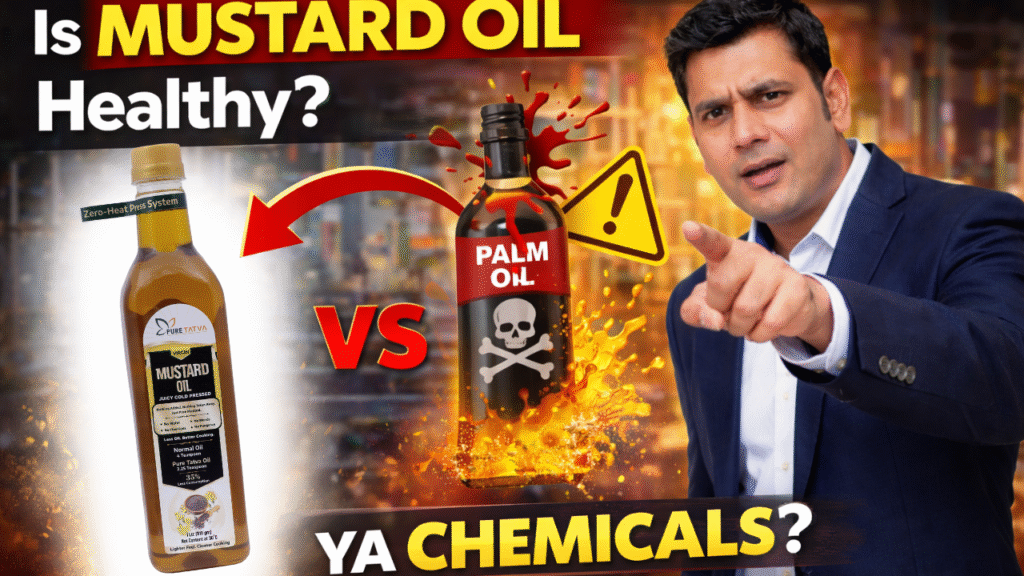
Summary Yes, mustard oil can be a healthy cooking oil—but only when it is 100% pure and naturally extracted. The real concern is not mustard oil itself but adulteration with cheaper oils and harmful chemicals such as artificial allyl isothiocyanate and banned colours. Pure virgin mustard oil extracted without heat retains its natural fatty acid profile and is considered a more balanced cooking oil than many heavily processed alternatives. “Is mustard oil healthy?“ This is probably the most common question people ask me. Many people immediately say, “Didn’t you watch the news? Isn’t mustard oil harmful?” My answer surprises them. The real question isn’t whether mustard oil is healthy. The real question is: Is the bottle actually filled with pure mustard oil? Because today’s market is full of products sold in the name of mustard oil that may contain cheaper oils, artificial chemicals and adulterants. And unfortunately… The real villain often hides inside the bottle while genuine mustard oil gets blamed. Why Has Mustard Oil Developed a Bad Reputation? If you regularly read newspapers or browse health news online, you’ve probably come across reports discussing adulteration in edible oils. Several reports over the years have highlighted concerns about edible oils being mixed with cheaper oils or artificial additives. This has created confusion among consumers. Instead of questioning what’s inside the bottle, many people simply start believing that mustard oil itself is unhealthy. But that’s like blaming an honest person for someone else’s crime. The problem is often adulteration, not authentic mustard oil. The Real Problem: Adulteration, Not Mustard Oil Many adulterated products sold as mustard oil may contain ingredients that do not naturally belong there. These may include: When these substances replace genuine mustard oil, consumers lose the nutritional benefits they expected. Instead, they unknowingly consume an inferior product. How Artificial Chemicals Can Mislead Consumers One reason people associate strong smell and pungency with purity is because genuine mustard oil naturally contains compounds responsible for its characteristic aroma. However, food adulteration has become increasingly sophisticated. Some manufacturers may attempt to imitate these natural characteristics using artificial flavouring compounds instead of preserving the oil’s natural quality. As a result, the bottle smells like mustard oil, looks like mustard oil, but may not actually deliver the nutritional profile of genuine virgin mustard oil. The Hero Isn’t the Problem Imagine watching a movie where the hero gets blamed while the real criminal escapes unnoticed. That’s exactly what’s happening with mustard oil. Consumers often hear, “Mustard oil isn’t healthy.” But the better question is: Was it actually pure mustard oil? Because authentic mustard oil and adulterated oil are two completely different products. What Makes Pure Mustard Oil Different? When mustard seeds are processed carefully without excessive heat, much of their naturally occurring nutritional profile is preserved. A high-quality virgin mustard oil naturally contains a balanced combination of: This balance is one reason many nutrition-conscious consumers continue to choose authentic mustard oil for everyday cooking. Why Extraction Method Matters The quality of mustard oil depends not only on the seed but also on how it is extracted. Excessive heat during processing can affect the oil’s natural characteristics. At Pure Tatva, we use our Virgin Zero Heat Press Extraction System, a process designed to extract oil without exposing it to high temperatures. Unlike conventional processing methods, our focus is to preserve the oil’s natural integrity as much as possible. The result is a naturally extracted virgin mustard oil that retains its authentic aroma, taste and nutritional balance. Benefits of Choosing Genuine Virgin Mustard Oil When the oil is genuinely pure and naturally extracted, it offers several advantages: The key is purity, not marketing claims. How to Choose a Healthy Mustard Oil Before buying mustard oil, ask these important questions: Is it genuinely 100% mustard oil? Always check whether the product clearly mentions purity. How was it extracted? Prefer naturally extracted virgin oils over heavily processed alternatives. Is the manufacturer transparent? Trust brands that openly explain their extraction process. Does the company focus on quality instead of only pricing? Cheap oils often become cheap for a reason. Final Thoughts So next time someone asks, “Is mustard oil healthy?” Don’t answer immediately. Instead ask, “Is the bottle actually filled with pure virgin mustard oil?” Because the real issue isn’t mustard oil. The real issue is what some bottles contain in the name of mustard oil. Choose purity. Choose transparency. Choose naturally extracted mustard oil. Because when your cooking oil is genuine, every meal begins with a healthier foundation. Frequently Asked Questions Is mustard oil healthy? Yes, pure mustard oil can be a healthy cooking oil because it naturally contains a balanced combination of monounsaturated and polyunsaturated fats. However, its quality depends on purity and extraction method. Why do some people say mustard oil is unhealthy? Many concerns arise due to adulteration. Products sold as mustard oil may sometimes contain cheaper oils or artificial additives, which can create confusion and damage mustard oil’s reputation. What is adulterated mustard oil? Adulterated mustard oil is a product that has been mixed with cheaper oils, artificial flavouring compounds, colours or other substances while being sold as pure mustard oil. Does extraction method affect mustard oil quality? Yes. Gentle extraction methods that avoid excessive heat help preserve the oil’s natural flavour, aroma and nutritional profile better than aggressive processing methods. How can I identify pure mustard oil? Choose brands that clearly explain their sourcing, purity standards and extraction method. Transparency is one of the strongest indicators of quality. Is virgin mustard oil better than heavily processed mustard oil? Virgin mustard oil is generally preferred because it undergoes minimal processing, helping preserve its natural characteristics and authentic nutritional profile. Key Takeaways Disclaimer: This article is intended for educational purposes only. It does not diagnose, treat or prevent any disease. Individual nutritional needs may vary. Always consult a qualified healthcare professional for personalised dietary advice.

Mustard Oil

Is Mustard Oil Healthy? The Truth About Purity, Extraction & Nutrition

Quick Summary Yes, mustard oil can be a healthy cooking oil when it is pure and extracted carefully. The real question is not whether mustard oil is healthy, but whether the oil inside the bottle is genuine, free from unnecessary adulteration, and processed in a way that preserves its natural nutritional qualities. Purity, quality of seeds, and extraction method all play an important role in determining the final quality of mustard oil. Why Has Mustard Oil Become So Controversial? Walk into any Indian kitchen and you will likely find mustard oil. It has been used for generations and remains one of the most popular cooking oils in many parts of the country. Yet today, many people ask: “Is mustard oil healthy?” Interestingly, the question itself may not be the right place to start. Imagine spending time with someone who has a bad reputation. Even if you have done nothing wrong, people may begin to associate you with that reputation. Something similar can happen with food products. When consumers come across reports of adulteration, poor-quality ingredients, artificial additives, or heavily processed products, the reputation of the entire category can suffer—even when genuine, high-quality products exist. The Real Question: What Is Actually Inside the Bottle? Many consumers focus only on the name printed on the label. However, a more important question is: What exactly is present inside the bottle? The quality of mustard oil can be influenced by several factors: Two bottles may both say “Mustard Oil” on the front, yet their quality can be very different. This is why evaluating the source and manufacturing process is often more important than judging the oil category itself. Why Extraction Method Matters One of the most overlooked aspects of edible oils is extraction temperature. Many consumers believe that if oil is extracted directly from seeds, it must automatically be the best option. However, the amount of heat generated during extraction can influence the final characteristics of the oil. Excessive heat during processing may affect certain naturally occurring compounds present in mustard seeds. This is why extraction technology has become an important consideration for health-conscious consumers. The goal is simple: Preserve as much of the oil’s natural character as possible while maintaining quality and stability. What Makes Mustard Oil Popular? Mustard oil has been used in Indian households for centuries because of its distinctive aroma, cooking performance, and traditional culinary value. It naturally contains a combination of: These properties make mustard oil a preferred choice for many traditional Indian recipes. Healthy Oil Is More Than Just a Name Many people make purchasing decisions based solely on the type of oil. However, healthy cooking depends on more than just choosing mustard oil, groundnut oil, sesame oil, or any other category. A quality cooking oil should ideally have: Purity The oil should come from authentic raw materials and follow proper quality standards. Responsible Processing The extraction method should focus on preserving the oil’s natural characteristics. Transparency Consumers should understand how the oil is produced and handled. Consistency The oil should deliver consistent quality from batch to batch. Why Pure Tatva Focuses on Extraction Quality At Pure Tatva, we believe that purity begins long before the oil reaches your kitchen. Our Virgin Extraction Process uses a Zero Heat Press System designed to minimize heat exposure during extraction. The objective is simple: To preserve the natural character, aroma, and nutritional profile of the mustard seeds as effectively as possible. This approach goes beyond simply producing mustard oil. It focuses on protecting the qualities that make mustard oil valuable in the first place. So, Is Mustard Oil Healthy? The answer is: Yes, pure and properly extracted mustard oil can be a valuable part of a balanced diet. However, the category name alone does not determine quality. When evaluating mustard oil, consumers should consider: Because healthy cooking starts with informed choices. Conclusion The next time someone asks: “Is mustard oil healthy?” A better question may be: “What kind of mustard oil are we talking about?” The quality of any oil depends not only on its name but also on how it is sourced, processed, and preserved. In the end, purity, quality, and extraction method are just as important as the oil itself. Frequently Asked Questions (FAQ) Is mustard oil healthy for daily cooking? Pure and properly processed mustard oil can be used as part of a balanced diet. Individual dietary needs may vary. What makes mustard oil healthy? Its natural composition, quality of raw materials, and processing method all contribute to its overall quality. Does extraction temperature matter in mustard oil? Yes. The extraction process can influence the characteristics and quality of the final oil. How can I identify good quality mustard oil? Look for transparency about sourcing, manufacturing practices, extraction methods, and quality standards. Is pure mustard oil better than adulterated mustard oil? Purity is one of the most important factors when evaluating any edible oil. Is all mustard oil the same? No. Quality can vary depending on seed quality, extraction process, manufacturing standards, and storage practices. What should I check before buying mustard oil? Check the ingredient declaration, manufacturing standards, extraction process, and brand transparency before making a purchase.

0
    0
    Your Cart
    Your cart is emptyReturn to Shop
    Scroll to Top